
Politics
Uniting Kano: A Call to Action for Political Leaders and Elders

By Suleiman Abdullahi
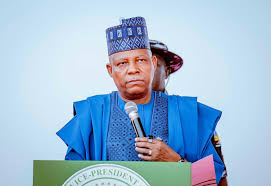
Vice President Kashim Shettima has issued a courageous and timely appeal to the political leadership of Kano State, urging them to set aside their differences for the greater good. During a recent condolence visit to the family of the late Galadiman Kano, Abbas Sanusi, Shettima emphasized the urgent need for reconciliation among Kano’s political factions, particularly between former Governor Abdullahi Umar Ganduje and Senator Rabiu Musa Kwankwaso. His heartfelt plea for leaders to “put down their political swords” and prioritize the collective interests of the state marks a pivotal moment for a region long regarded as a beacon of peace and stability in Northern Nigeria.
Historically, Kano State has led the way in peace advocacy, serving as a model for coexistence and dialogue among diverse communities. Its rich cultural heritage, underscored by strong family values and profound respect for elders, has traditionally fostered unity and collective responsibility. However, the ongoing political rivalries have eroded this legacy, leading to an alarming rise in indiscipline and a decline in the respect for elders—principles that once defined Kano’s identity.
Today, the once-sturdy fabric of Kano’s society is under significant strain. The institution of the family, and indeed the revered Kano royalty, faces unprecedented challenges. As divisions deepen, outsiders seeking to exploit these rifts for selfish ends find fertile ground, putting both individuals and the larger society at risk.
At the heart of this instability lies the rivalry between Dr. Abdullahi Ganduje and Senator Rabiu Kwankwaso, which has intensified political tensions and dealt a heavy blow to Kano’s socio-economic landscape. Merchants and investors, once eager to tap into Kano’s vibrant markets, now proceed with caution, wary of the escalating violence and insecurity. Reports of thuggery, violent clashes, and petty crime have created an atmosphere of fear, discouraging investment and threatening the livelihoods of countless local traders.
Complicating the situation further is the protracted tussle over the Kano Emirate, involving the reinstated Emir Muhammadu Sanusi II, backed by the state government, and the 15th Emir, Aminu Ado Bayero, supported by federal security forces. This crisis has not only polarized the state but also reinforced a perception of instability that severely hampers societal and economic development.
The Emirship dispute reflects deeper societal divisions, distracting attention from the pressing needs of the people—economic revitalization, educational advancement, and infrastructural development. Rather than channeling energy and resources toward these essential goals, the community finds itself consumed by a struggle that benefits no one.
Tragically, Vice President Shettima’s recent call for unity was further undermined by the controversial appointment of Sanusi Ado Bayero as the new Galadiman Kano by his brother, Emir Aminu Ado Bayero. This appointment, made without the consent of state authorities, appears as a direct challenge to Shettima’s plea for reconciliation. Formalized in a letter dated April 21, 2025, and signed by a senior administrative officer of the so-called “Kano Emirate Council,” the decision came just weeks after the reinstated Emir Muhammadu Sanusi II had appointed Alhaji Mannir Sanusi as Galadiman Kano following the death of the previous titleholder.
The timing and manner of this parallel appointment not only deepen divisions within the Kano Emirate but also question the legitimacy of Aminu Ado Bayero’s actions. It suggests a prioritization of personal interests over collective welfare, further alienating key stakeholders and exacerbating tensions that deter economic growth and social harmony.
Moreover, Emir Aminu Ado Bayero’s current residence at the Nasarawa Palace is heavily guarded, with over 10 police vehicles stationed at entry and exit points. This stands in stark contrast to the insecurity faced daily by ordinary Kano citizens, who grapple with phone snatching, thuggery, and violence. Rather than embodying the spirit of service and sacrifice that traditional leadership demands, such displays of privilege deepen public resentment and mistrust.
In light of these challenges, now is the time for decisive action. Governor Abba Kabir Yusuf must take a bold step by activating the committee he established to invite former governors and their deputies for a peace summit. This initiative could facilitate the reconciliation that Shettima passionately advocates, enabling influential leaders to collaboratively address the urgent issues facing Kano.
Additionally, reviving the Kano Elders’ Forum is imperative. This body of respected statesmen can provide a much-needed platform for mediation, helping to restore respect for traditional authority and heal the fractures within society. The ongoing Emirate crisis must also be swiftly resolved, alongside addressing the troubling division between the state government and security forces—an issue that has been shamelessly exploited by actors intent on destabilizing Kano.
Furthermore, there is a pressing need to encourage grassroots participation in decision-making processes, ensuring that the voices of ordinary citizens are heard and respected in the journey toward unity and progress.
The Path Forward
Convene a summit of former governors and deputies to foster dialogue and healing.
Revitalize the Kano Elders’ Forum to mediate conflicts and reinforce traditional values.
Encourage grassroots participation to strengthen democracy and community ownership of governance.
Conclusion
Vice President Kashim Shettima’s call for unity represents a vital and necessary step toward healing and progress in Kano State. By embracing collaboration, respect, and dialogue, Kano can reclaim its historic status as a hub of commerce, culture, and peace in Northern Nigeria. The values of discipline, community spirit, and respect for elders must not only be preserved but strengthened, ensuring a brighter future for generations to come.
By Our Political Reporter
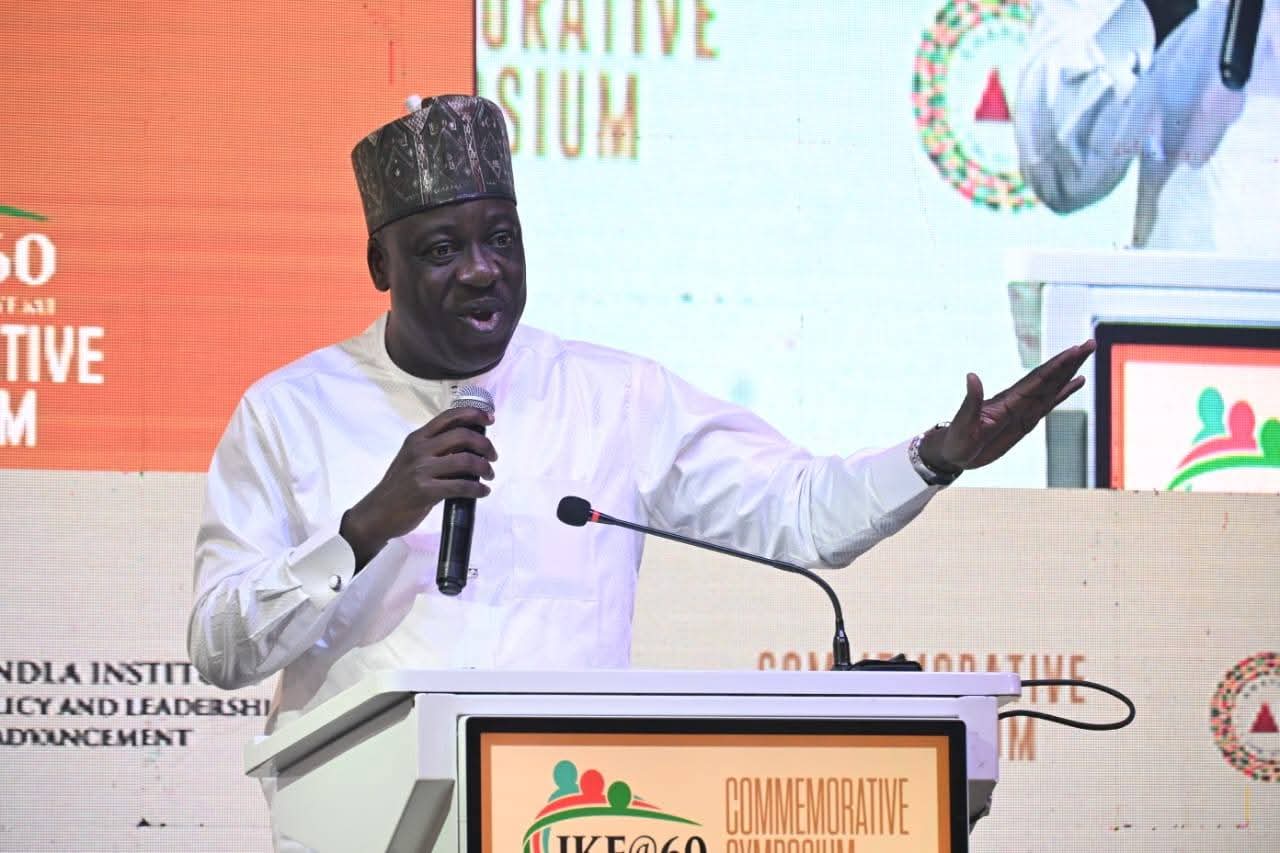
The African Democratic Congress (ADC) says it is considering adopting a consensus approach in selecting its presidential candidate for the 2027 general election.
This was disclosed by the party’s National Publicity Secretary, Bolaji Abdullahi, during an appearance on One-on-One, a programme on Arise TV on Saturday.
Abdullahi said the party is weighing options between direct primaries and consensus, noting that indirect primaries are no longer applicable following amendments to the Electoral Act.
“We are trying as much as possible to adopt the consensus approach because that is the least costly for us. For us, the best-case scenario is to be able to engineer consensus, and that’s what we are working on,” he said.
He further argued that the cohesion of the ruling All Progressives Congress (APC) is largely tied to its current leadership under President Bola Ahmed Tinubu.
“If you take power out of APC, the party may struggle to remain cohesive. Post-Tinubu, there could be significant internal challenges,” he added.
The ADC spokesperson also claimed that the ruling party is already showing signs of anxiety ahead of the 2027 general elections.
Abdullahi maintained that in a free and fair election, the APC would face stiff opposition from Nigerians.
“They should ordinarily be confident, given that they are in power. However, there are indications of unease, suggesting that the political landscape ahead of 2027 may be highly competitive,” he said.
Ahead of the 2027 elections, the ADC has positioned itself as a major opposition platform through a coalition of prominent politicians. Some notable figures reportedly linked with interest in the party’s presidential ticket include former Vice President Atiku Abubakar, former Anambra State Governor Peter Obi, and former Minister of Transportation Rotimi Amaechi, among others.
By Our Political Reporter
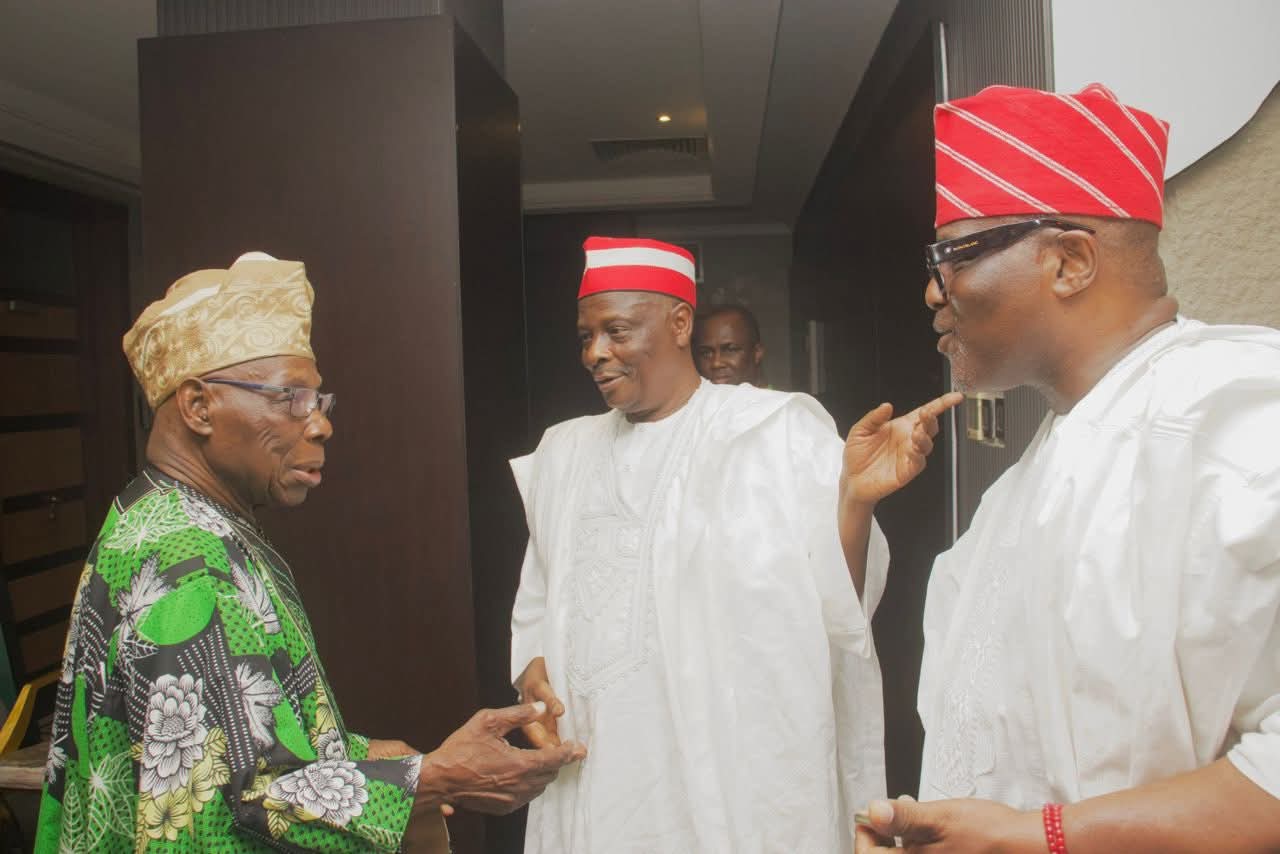
A former Governor of Kano State and 2023 presidential candidate, Rabiu Musa Kwankwaso, has officially resigned from the New Nigeria People’s Party (NNPP), in a move that could significantly reshape Nigeria’s political landscape ahead of future elections.
In a press statement dated March 29, 2026, Kwankwaso announced his resignation from the party with immediate effect, bringing an end to his role as the party’s National Leader.
He described the decision as a difficult one, noting the “honour and privilege” he had in serving as the NNPP’s presidential candidate during the 2023 general elections. According to him, his departure was driven by the need for “strategic realignment” in response to the evolving political climate in the country.
“Considering the current trajectory of the nation’s political landscape, which calls for strategic realignment, I have found it necessary to identify with another political platform that offers the best opportunity to effectively change the nation,” he stated.
Kwankwaso expressed appreciation to the party leadership, particularly the National Chairman, Ajuji Ahmed, as well as members of the National Working Committee, Board of Trustees, and party executives at all levels for their support during his time in the NNPP.
He also extended gratitude to supporters of the Kwankwasiyya Movement, acknowledging their loyalty and commitment to the party’s vision over the years.
Despite his exit, Kwankwaso emphasized the importance of continued collaboration among political actors committed to national development, expressing optimism about working together in pursuit of a more prosperous Nigeria.
Political analysts say the resignation may trigger fresh alignments within the opposition bloc, particularly as preparations gradually build toward the 2027 general elections.
While Kwankwaso did not disclose his next political destination, his statement strongly suggests an imminent move to another platform, a development expected to generate significant reactions across the country’s political space.
By Our Political Reporter
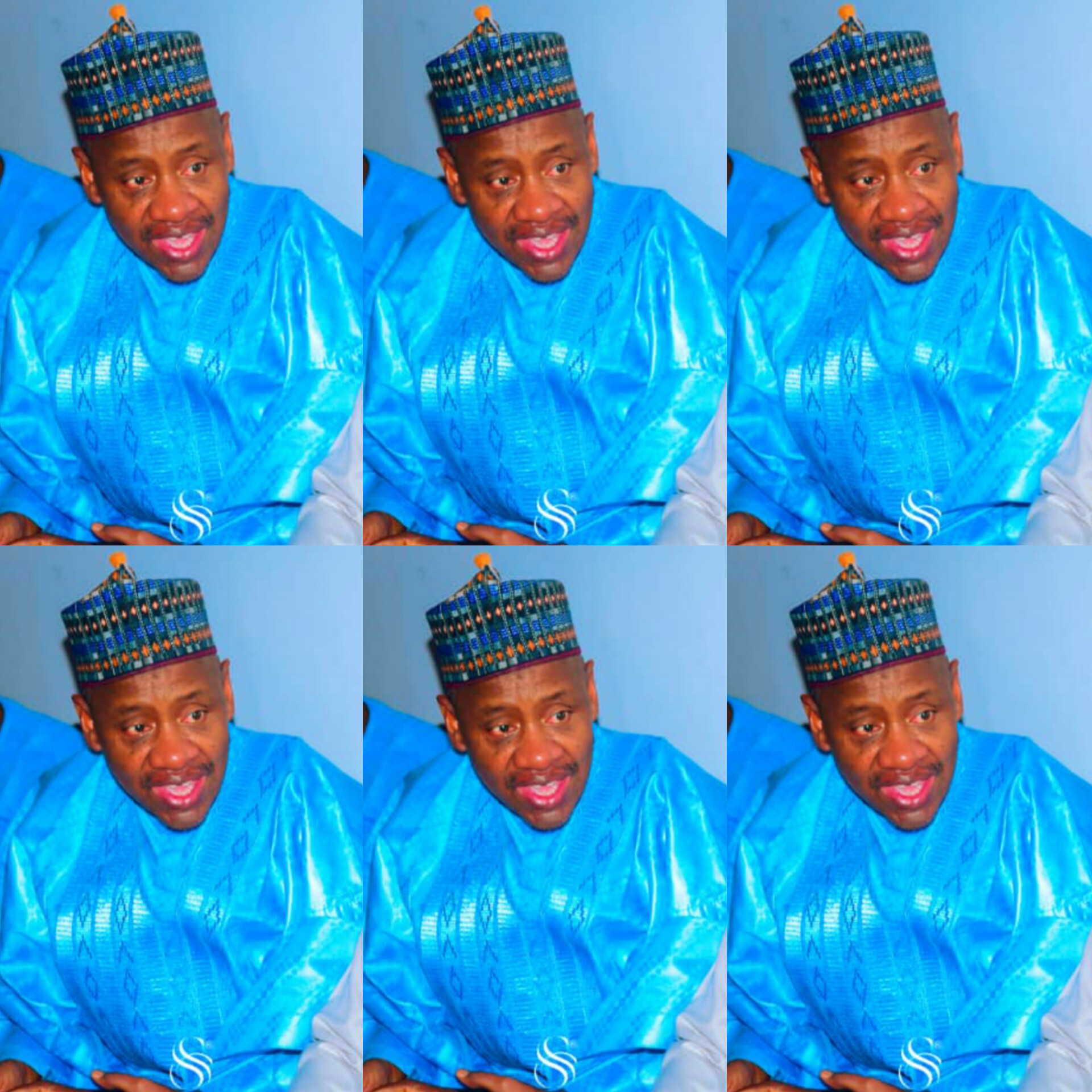
The African Democratic Congress (ADC), Akko Local Government Area chapter in Gombe State, has announced the indefinite suspension of Dr. Babayo Ardo from its membership over alleged acts of misconduct and breach of party regulations.
The decision, which takes immediate effect, followed a unanimous resolution by the Akko LGA Executive Committee after an emergency meeting convened to review a series of complaints and verified reports concerning Dr. Ardo’s activities.
In a formal statement signed by the LGA Chairman, Muhammad Adamu Maina, and Secretary, Sulaiman Salihu, the party leadership accused Dr. Ardo of engaging in actions publicly linked to the ADC without the knowledge, authorization, or consent of the party’s local leadership.
According to the statement, such actions constitute a clear violation of the party’s constitution, particularly provisions relating to discipline, collective responsibility, and respect for constituted authority.
“The conduct of Dr. Babayo Ardo was found to be unconstitutional, misleading to the public, and capable of causing reputational damage to the party,” the statement read. “It is also considered disruptive to the unity and coordinated functioning of the party at the local government level.”
As part of the disciplinary measures, Dr. Ardo has been barred indefinitely from participating in all party meetings and activities, representing the party in any capacity, and using the party’s name, platform, or authority pending further investigations and possible ratification by the state chapter.
The LGA Executive Committee emphasized its commitment to upholding discipline, unity, and strict adherence to the party’s constitution.
Earlier, the Kumo East Ward Executive Committee of the party had formally recommended Dr. Ardo’s suspension, citing similar allegations of misconduct. In a letter dated March 11, 2026, and signed by Ward Chairman Shuaibu Abdullahi and Secretary Magaji Muhammad, the ward leadership accused Dr. Ardo of independently associating his activities with the party without approval.
The ward executives described his actions as unconstitutional, misleading, and capable of undermining party unity and organizational integrity at the grassroots level. They subsequently urged the Akko LGA chapter to take appropriate disciplinary action in line with party guidelines.
Following the LGA’s decision, the matter has now been forwarded to the Gombe State chapter of the ADC for official acknowledgment, ratification, and further directives.
Party officials at both ward and local government levels reiterated their resolve to maintain internal discipline and ensure that all members operate within the framework of the party’s constitution.
As of the time of filing this report, Dr. Babayo Ardo has not publicly responded to the allegations or the decision of the party leadership.
-

 Politics2 years ago
Former Gombe State APC Promoters Forum Chairman Attacked Following Political Commentary
-
 Appointment2 years ago
Gombe State Indigene, Appointed New Vice Chancellor (ATBU)
-
 Leadership2 years ago
Breaking: African Union Appoints Pantami as Co-Chair of the 4th Industrial Revolution Policy Council
-
 Death1 year ago
Prominent Nigerian Islamic Scholar, Sheikh Sa’idu Hassan Jingir, Passes Away
-
 Health2 years ago
Gombe State Organizes Onboarding Workshop for Private Healthcare Facilities
-
 Water2 years ago
Gombe Government Mobilizes Stakeholders to Combat Illegal Water Connections
-
 Politics2 years ago
Gombe State Inaugurates Human Capital Development Council
-
 Politics2 years ago
Gombe State Launches Presidential Palliative Program (PPP) to Aid Small Businesses