
Health
UNICEF, Gombe RUWASSA Back Faecal Sludge Plan to Save Lives and Create Jobs

By Our Correspondent
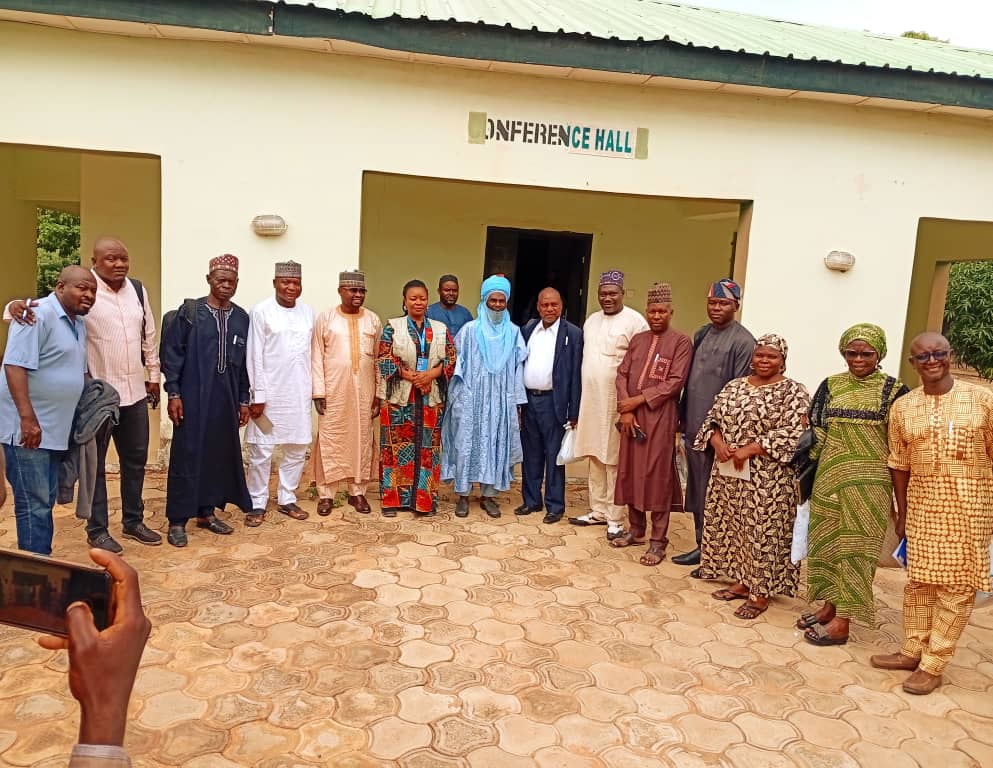
In a renewed drive to improve sanitation and combat public health risks, stakeholders in Gombe State have advocated for the adoption of Faecal Sludge Management (FSM) as a sustainable solution to poor sanitation, youth unemployment, and environmental degradation.
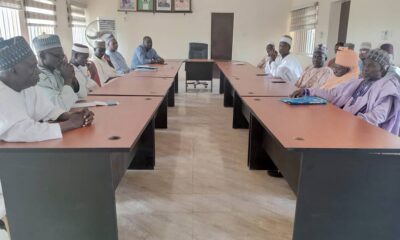
The call was made during a one-day Media Dialogue on Accelerating FSM Strategy Adoption in Gombe State, organised by the United Nations Children’s Fund (UNICEF) in collaboration with the Gombe State Rural Water Supply and Sanitation Agency (RUWASSA).
Declaring the event open, the Gombe State Commissioner for Water, Environment and Forest Resources, Mr. Mohammed Fawu, noted that many communities in the state rely on on-site sanitation systems such as pit latrines and septic tanks, which, when poorly managed, pose serious threats to public health and the environment.
> “Overflowing pits, indiscriminate disposal, and groundwater contamination are not just inconveniences — they are threats to human dignity, water security, and the health of our population,” Fawu warned.
He reaffirmed the state government’s commitment to developing a functional, inclusive, and sustainable FSM framework to protect lives and livelihoods across communities.
In her remarks, Dr. Nuzhat Rafique, Chief of Field Office, UNICEF Bauchi Field Office, represented by Nanbam Michael, a UNICEF WASH Officer, said the media engagement aimed to build momentum around FSM in Gombe, particularly as the state works toward achieving Open Defecation Free (ODF) status.
> “Jigawa State has achieved ODF status, but their current challenge is managing filled-up toilets. We want Gombe to learn from this and prepare ahead with a solid FSM strategy,” she said.
Rafique added that FSM is a critical component of UNICEF’s “Clean Nigeria: Use the Toilet” campaign, which has been domesticated in Gombe to drive behavior change and sanitation reforms. She expressed optimism that, through ongoing efforts such as Community-Led Total Sanitation (CLTS), some communities in Gombe could attain ODF status by the end of 2025.
Also speaking, Prof. Wilson Danbature of the Department of Chemical Sciences, Gombe State University, highlighted the economic potential of FSM, saying it could generate employment opportunities across the sanitation value chain—from desludging and plant operations to resource recovery and reuse.
> “FSM is not just a sanitation solution; it’s an economic opportunity. Establishing faecal sludge treatment plants (FSTPs) can create jobs, improve public health, generate revenue, and promote environmental sustainability,” Danbature noted.
Dr. Abubakar Lumumba, Sector Lead for WASH at RUWASSA, echoed the need for attitudinal change to eliminate open defecation. He lamented that no community in Gombe State has been officially declared ODF and called for intensified efforts at both government and community levels.
In a practical example of the business potential of proper sanitation, Khalid Umar, Chairman of Public Convenience Maintenance in Gombe, shared his three-decade-long success in managing public toilets around Gombe Main Market. He disclosed that his business earns between ₦4,000 and ₦7,000 daily, which has supported his family and employed several youths.
> “With proper support and infrastructure, managing faecal sludge can be a profitable and dignified business. We need stakeholders to invest in this sector,” he said.
At another FSM sensitization held in Kwami Local Government Area, Opeyemi Olagunju, UNICEF Communication Officer in Bauchi, emphasized that FSM is key to climate-resilient sanitation and safe waste disposal. He called on journalists to amplify the campaign against open defecation, saying public awareness is essential for behavioral change.
Speaking at the same event, Mohammed Sadiq, Director of Water Services at the Gombe State Ministry of Water Resources, warned that poor FSM could lead to groundwater contamination and disease outbreaks. Representing the Commissioner, Sadiq outlined the government’s vision for FSM, which includes:
Clearly defined roles for relevant agencies
Regulatory enforcement
Private sector involvement
Community-driven treatment centers
He added that treated waste could be transformed into bio-fertilizer, biogas, or agricultural water, further highlighting the economic benefits of a functional FSM system.
The Way Forward
With growing population pressure, increasing toilet use, and a state-wide campaign against open defecation, experts agree that Gombe must act swiftly. Proper faecal sludge management is not only about sanitation — it is about health security, economic empowerment, environmental safety, and dignity for all.
As Gombe intensifies its push for ODF status, stakeholders say the time is now to build the systems that will manage what comes after — filled toilets and the waste they leave behind.

By Jamilu Abubakar
The European Union-funded Strengthening Access to Reproductive and Adolescent Health (EU-SARAH) project is intensifying efforts to improve adolescent and reproductive health services in Adamawa State through preventive healthcare, community engagement and strengthened health systems.
Implemented by the Adamawa State Government with support from UNICEF and UNFPA, the initiative is aimed at reducing maternal, neonatal and child mortality while increasing access to reproductive health information and services.
Health Officer, UNICEF Bauchi Field Office, Mr. Oluseyi Olosunde, said adolescents and young people remain a major focus of the intervention due to the growing concern over risky behaviours and their long-term effects on health, productivity and national development.
He explained that the project targets reaching about 75,000 adolescents and young people annually through various platforms and strategies centred on preventive and promotive healthcare.
According to him, the programme goes beyond treatment by equipping adolescents with knowledge and information on sexual and reproductive health rights to help them make informed decisions and avoid health challenges later in life.
Mr. Olosunde noted that insufficient attention to adolescent reproductive health often leads to conditions that require curative and rehabilitative interventions, stressing that prevention remains the most effective approach.
He added that the initiative is empowering young people through health education and improved access to essential reproductive health services.
On maternal health, Mr. Olosunde said the programme is also supporting pregnant and lactating mothers to reduce maternal and newborn deaths through improved access to quality antenatal care and skilled birth attendance.
He disclosed that about 150,000 pregnant and lactating mothers in Adamawa State have benefited from the intervention, while more women are increasingly accessing healthcare services.
To strengthen service delivery, UNICEF has trained over 1,385 frontline health workers and supported the engagement of 336 nurses and midwives to improve antenatal and reproductive healthcare services, especially in underserved communities.
The project has also established community support structures including Mama2Mama groups and Fathers for Good Health to encourage community participation and improve health-seeking behaviour.
Stakeholders say the intervention is contributing to stronger healthcare delivery and creating better opportunities for adolescents and families across Adamawa State.
By Our Health Reporter
Health experts have raised concerns over the rising number of kidney disease cases in Nigeria and across the world, despite improvements in treatment outcomes in some health facilities.
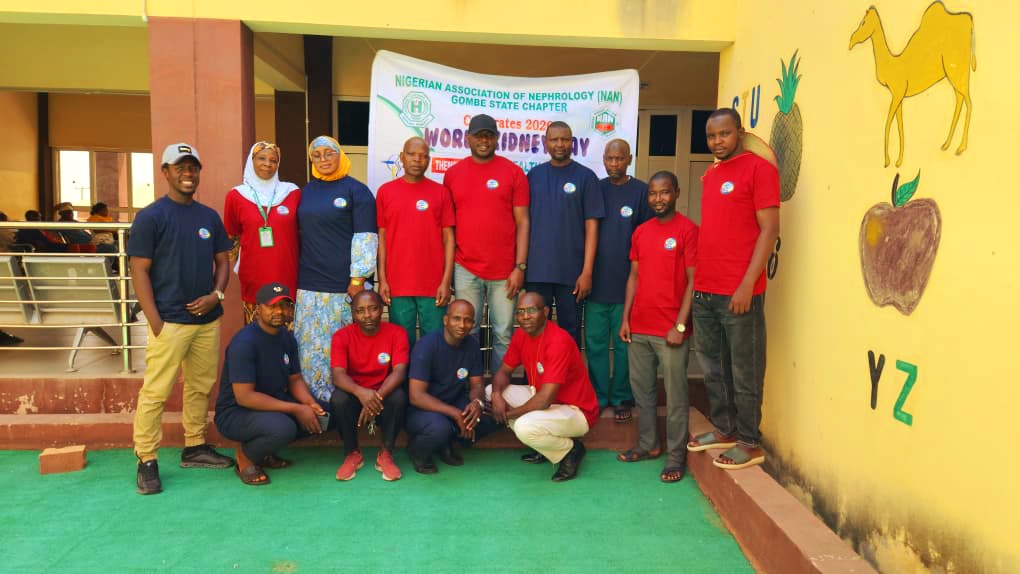
The warning comes as the global community marks World Kidney Day, an annual awareness campaign focused on prevention, early detection, and equitable access to treatment for kidney diseases.
Globally, kidney disease has become a major public health concern. Health data indicates that about 10 percent of the world’s population—more than 850 million people—are living with some form of chronic kidney disease, with many unaware of their condition until it reaches an advanced stage.
Experts say the situation is equally alarming in Nigeria, where about 10 percent of the population—roughly 24 to 25 million people—are estimated to be living with kidney disease, placing a significant burden on the country’s healthcare system.
At the Federal Teaching Hospital Gombe, nephrologists say there are signs of progress in the management of the disease.
A nephrologist at the hospital, Dr. Alaya Abdulrashid, said improved treatment and early diagnosis have helped many patients avoid reaching the most severe stage of the illness.
“In Gombe State, about 60 percent of patients are now able to avoid progressing to the dialysis stage, which represents significant progress in treatment and early management,” he said.
However, he warned that the overall number of people developing kidney-related problems continues to rise, describing the trend as worrying.
Dr. Abdulrashid noted that conducting local studies to determine the exact burden of kidney disease in the region remains difficult due to the large number of patients referred from across the North-East.
Health professionals say the growing number of patients reflects broader national and global trends.
A nephrology nurse at the hospital,
AbdulRasheed a Nephrology nurse and
Barnabas Buba Respectively, identified hypertension, diabetes and unhealthy lifestyle practices as major causes of kidney failure.
“In our facility alone, we receive an average of about 20 patients daily seeking care for kidney-related problems,” he said.
Medical experts say these risk factors account for a large percentage of kidney disease cases worldwide. Studies show that about 40 percent of people with diabetes and around 20 percent of people with hypertension eventually develop chronic kidney disease.
Another nephrologist at the hospital, Dr. Abubakar Sadik, noted that access to dialysis remains a major challenge for many patients due to the high cost of treatment, making support from government and philanthropists essential.
Meanwhile,Inuwa Salihu Mshelia, Chairman Nigerian Association of Nephrology Nurses NANN FTH Gombe , commended philanthropist Usman Bello Kumo for providing free dialysis support to kidney disease patients throughout the year 2025.
He called on other well-meaning individuals in Gombe and beyond to emulate the gesture in order to ease the financial burden on patients undergoing dialysis treatment.
Mshelia also urged members of the public to protect their kidney health by drinking adequates water, avoiding self-medication, and seeking medical attention early when symptoms arise.
As part of activities marking World Kidney Day, nephrologists at the hospital organized a health talk with patients, where they highlighted preventive measures and the importance of early screening.
However,the experts lamented inadequate funding, describing it as a major challenge affecting awareness campaigns and early screening programmes aimed at tackling the growing burden of kidney disease in the region.
The theme for this year’s World Kidney Day is “Kidney Health for All: Caring for People, Protecting the Planet.”
Health professionals say that with early screening, healthy lifestyle choices and improved access to treatment, many cases of kidney failure can be prevented or effectively managed.
By Our Correspondent
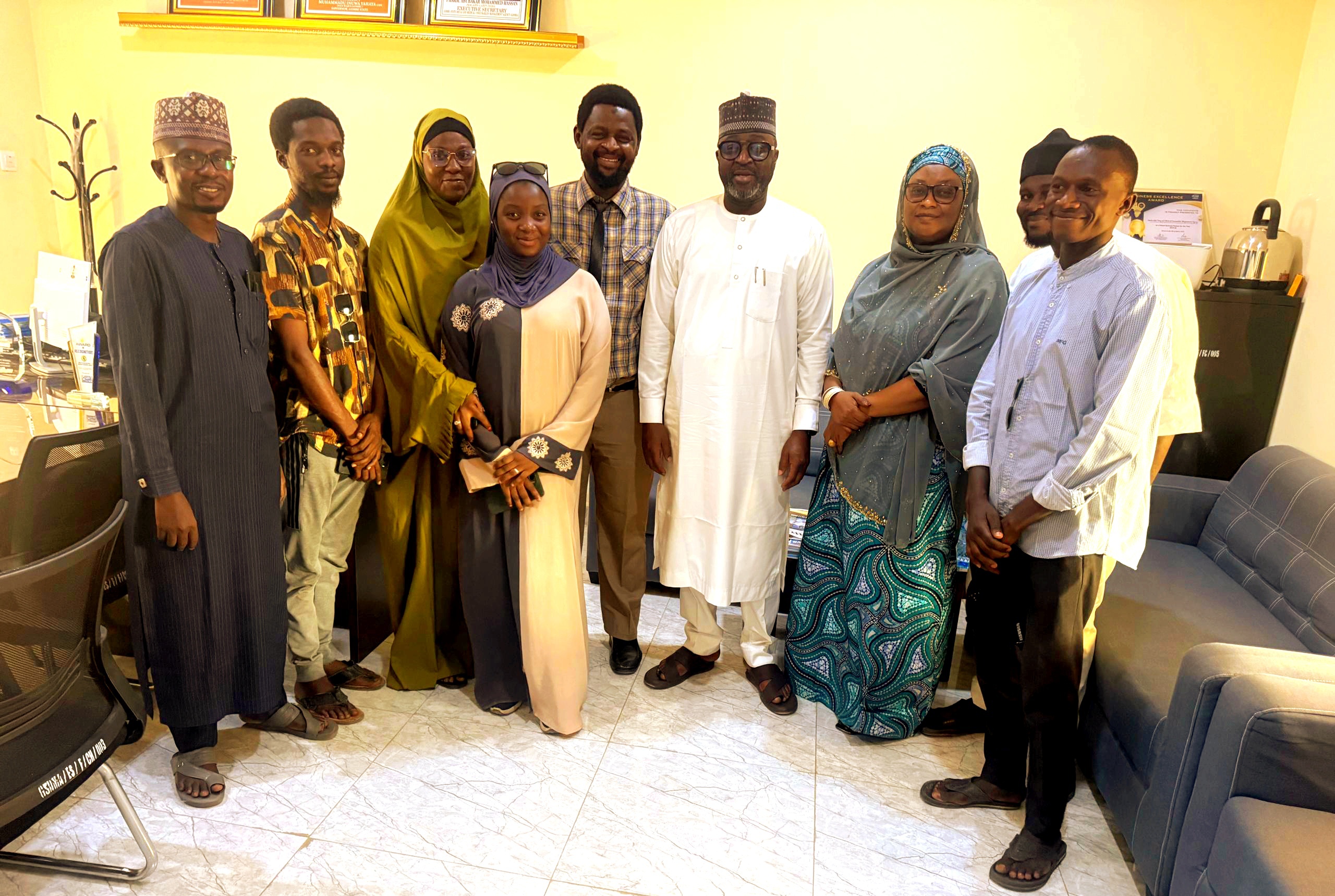
A delegation from Youth O’clock has paid a courtesy visit to the Gombe State Drugs and Medical Consumables Management Agency (GODMA), congratulating the Executive Secretary, Pharm. Abubakar Muhammad Hassan, on his appointment while exploring areas of collaboration.
During the visit, the Monitoring, Evaluation and Learning Officer of Youth O’clock Gombe State, Maryam Muhammad Khaleed, presented a concept note outlining a proposed medical outreach programme. The initiative is designed to provide health screening, treatment, and community education across the state, with a focus on common health concerns including malaria, typhoid, ulcers, diabetes, blood pressure disorders, and abdominal ailments.
Speaking on behalf of the delegation, its leader, Comrade Abdulazeez Sani Labaran, described the appointment of Pharm. Hassan as well deserved and urged him to discharge his responsibilities with honesty and integrity. He also acknowledged the contributions of the Executive Secretary’s family to healthcare development in Gombe State and beyond.
Comrade Labaran further expressed appreciation to Governor Muhammadu Inuwa Yahaya for the appointment, describing it as a commendable decision that would strengthen the state’s health sector.
He highlighted several initiatives undertaken by Youth O’clock, including tree-planting campaigns, conflict mediation and resolution efforts, capacity-building workshops, advocacy programmes, medical outreaches, peace dialogues, amnesty programmes, Youth Week celebrations, participation in public hearings, anti-drug abuse campaigns, and media engagement activities.
In his response, Pharm. Abubakar Muhammad Hassan welcomed the proposal and expressed readiness to partner with Youth O’clock in enhancing healthcare delivery in the state. He commended the organisation for its commitment to community service and encouraged members to sustain their efforts, noting that “serving humanity is next to serving God.”
The visit concluded with a group photograph, symbolising the beginning of what both parties described as a promising partnership aimed at improving the health and wellbeing of communities across Gombe State.
-

 Politics3 years ago
Former Gombe State APC Promoters Forum Chairman Attacked Following Political Commentary
-

 Appointment2 years ago
Gombe State Indigene, Appointed New Vice Chancellor (ATBU)
-

 Leadership2 years ago
Breaking: African Union Appoints Pantami as Co-Chair of the 4th Industrial Revolution Policy Council
-

 Death2 years ago
Prominent Nigerian Islamic Scholar, Sheikh Sa’idu Hassan Jingir, Passes Away
-
 Health2 years ago
Gombe State Organizes Onboarding Workshop for Private Healthcare Facilities
-
 Water3 years ago
Gombe Government Mobilizes Stakeholders to Combat Illegal Water Connections
-

 Politics2 years ago
Gombe State Inaugurates Human Capital Development Council
-

 Politics3 years ago
Gombe State Launches Presidential Palliative Program (PPP) to Aid Small Businesses