
Complaints
When Fire Keeps Burning, the Ground Must Have Refused to Absorb Water


By zurqannain Muhammad Inuwa
Even though I am not an indigene of Tafawa Balewa by origin, I am proudly connected to the land through my maternal lineage. As a grandson of the soil through my mother, I feel morally compelled to speak up on the recent political and traditional developments surrounding the imposition of Tafawa Balewa under the Zaar (Sayawa) Chiefdom.
I must begin by expressing deep concern and firm condemnation of the decision to include Tafawa Balewa in the newly created Zaar Kingdom. This move is not only insensitive to historical complexities and communal realities but also threatens to reopen old wounds that the people of this area have worked hard to heal from.
A Brief History of Fragile Peace
The Tafawa Balewa axis has long been a flashpoint of ethnic and religious conflict in Bauchi State. Between 1991 and 2011, the area witnessed recurring violence, often along Sayawa and Hausa-Fulani lines, leading to the tragic loss of hundreds of lives and the destruction of homes, businesses, and religious institutions. Several committees—state and federal—were set up to find lasting peace, recommending caution, inclusivity, and broad-based consultation in any restructuring involving traditional authority.
Unfortunately, the recent decision to establish the Zaar Chiefdom and place its headquarters in Mhrim (within Tafawa Balewa LGA) flies in the face of those recommendations and, more worryingly, while court proceedings on the matter are still ongoing. This is not only unlawful but deeply provocative.
*A Voice of Caution and a Call for Responsibility*
Placing Tafawa Balewa—a town with a multi-religious, multi-ethnic population—under a mono-ethnic chiefdom without full consent from all communities is an invitation to tension. It neglects the constitutional principle of justice and undermines the fragile coexistence many have died to protect.
As someone who shares blood ties with the land, I cannot stay silent while a potentially destabilizing decision is made without transparency, dialogue, or empathy. I reject the forceful annexation of Tafawa Balewa into the Zaar Chiefdom.
*I call on the following:*
– The *Bauchi State Government* to suspend the implementation of the Zaar Chiefdom until all legal and communal concerns are addressed.
– The *Judiciary* to expedite the resolution of the ongoing case, free from political influence.
– *Traditional and religious leaders* to speak out in favour of justice, peace, and mutual respect.
– The *Federal Government* and *civil society* to monitor the situation closely and intervene where necessary to prevent breakdown of law and order.
History will not forget where each of us stood when injustice was disguised as tradition. If peace is truly the goal, then justice must lead the way.
Let wisdom prevail over sentiment. Let equity rise above ethnic interest. Let the fire be quenched before it consumes us all.
Zulkarnain Muhammad Inuwa is a commentator on public affairs and a maternal grandson of Tafawa Balewa.
Challenges
Neglect, Darkness, and Water Scarcity Hit Gombe Abattoir — Butchers Lament Government Inaction
By Daily Fact Editor
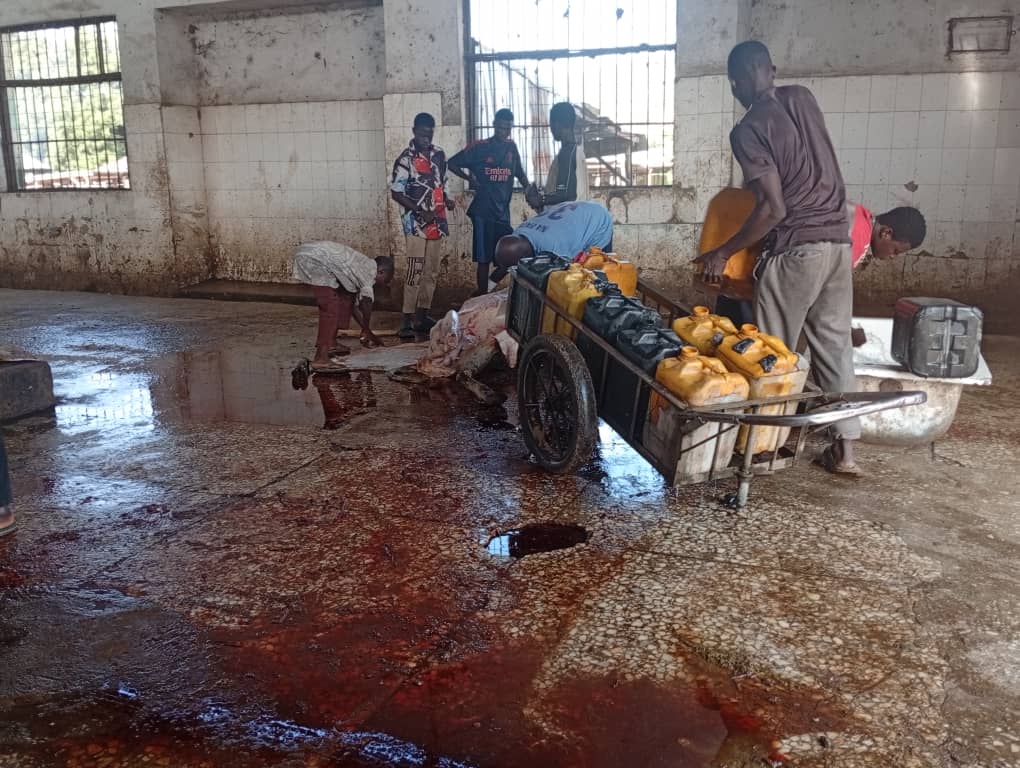
The former Chairman of the Butchers Association of Nigeria, Gombe State Chapter, Alhaji Kabiru Bala Onye, has decried the poor state of facilities at the Gombe abattoir, describing it as a major threat to public health, environmental safety, and the livelihood of butchers.
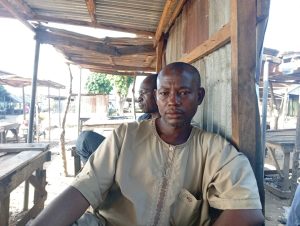
Speaking to journalists in Gombe, Alhaji Kabiru lamented that the lack of water at the abattoir has severely affected business operations, forcing butchers to buy water daily from private suppliers known locally as Yangaruwa.
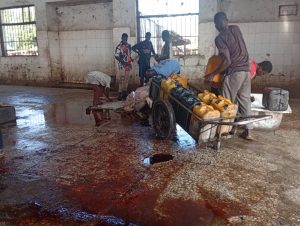
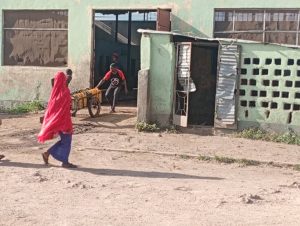
“The lack of water at the Gombe abattoir is seriously affecting our business. We now depend on buying water from Yangaruwa, which increases our expenses and reduces our profit. Government needs to come to our aid,” he said.
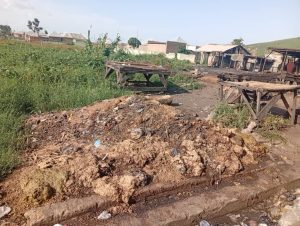
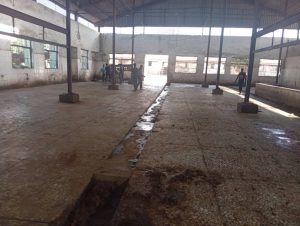
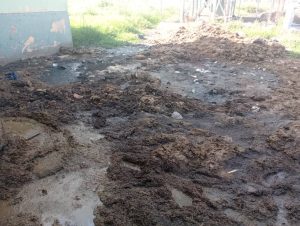
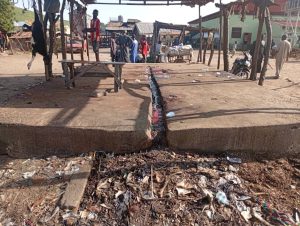
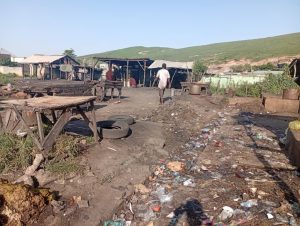
He further expressed concern over the unhygienic state of the abattoir environment, noting that the absence of proper waste management and sanitation has created conditions that could lead to pollution and disease outbreaks.
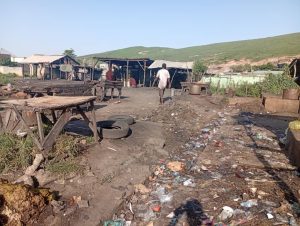
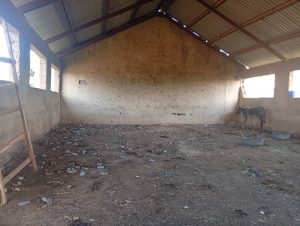
“The environment here is unhealthy — waste is not properly managed, and that can cause pollution and spread of diseases. The abattoir should be a clean and safe place since it deals with what people eat,” he warned.
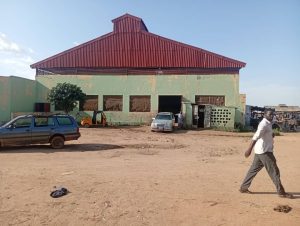
Alhaji Kabiru also lamented the absence of electricity in the abattoir, describing it as a serious security risk, especially for workers who operate early in the morning and late at night.

“There’s no light in the abattoir, and that makes the place unsafe. Criminals take advantage of the darkness. We are appealing to the government to restore electricity to ensure security for everyone working here,” he added.
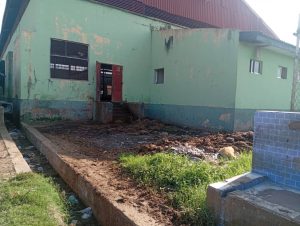
Expressing disappointment, Alhaji Kabiru accused the present administration in Gombe State of neglecting the abattoir and its workers despite their contribution to the local economy.
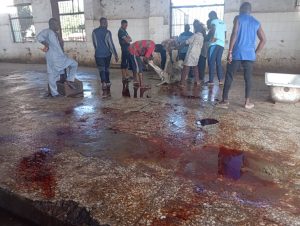
“We feel neglected by the government even though we are indigenes of Gombe State. The abattoir is very important to the state’s food supply chain, yet it has been abandoned,” he lamented.
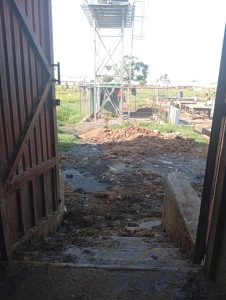
He therefore appealed to the Gombe State Government and relevant agencies to urgently intervene by providing water, improving sanitation, and restoring electricity to the abattoir to ensure safe and hygienic meat production for consumers across the state.
Complaints
One Year After Gombe August Protest: Agrodealer Who Lost ₦50 Million Cries Out Over Lack of Government Support
By Daily Facts Editor
Exactly one year after the violent “End Bad Government” protest rocked parts of Gombe State in August 2024, victims of the destruction are still counting their losses — with no support from either the state or federal government.
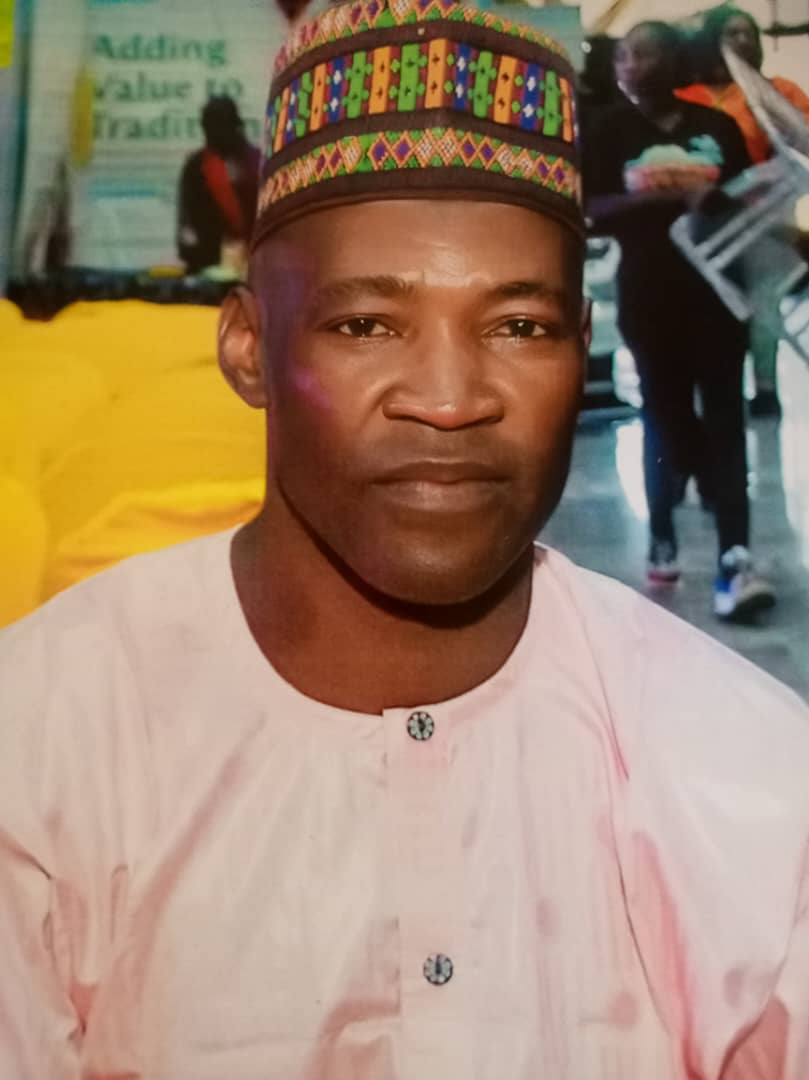
One of the worst-hit victims, Alhaji Wadaji Umar Lawan, a prominent agrodealer in the state, has expressed deep frustration and disappointment over what he described as “total abandonment” by authorities.
Speaking to Daily Facts Online, Alhaji Wadaji, who operated a large agrochemical and fertilizer supply store beside Bima Lodge in Gombe metropolis, lamented that he lost goods worth over ₦50 million during the looting and vandalism that followed the protest.
“I lost everything that day — fertilizers, seeds, herbicides, insecticides, and every type of agrochemical. My entire shop was looted and destroyed. I have not recovered to this day,” he said.
Following the incident, government officials, including representatives from the State Emergency Management Agency (SEMA), National Emergency Management Agency (NEMA), Department of State Services (DSS), and the police, reportedly visited the affected areas to assess the level of damage.
“The Commissioner of Police came, the Commissioner of Works — who chaired the government’s damage assessment committee — came, SEMA, NEMA, DSS, everyone came. They collected our data and took photos of our losses. But nothing has been done since then,” Alhaji Wadaji recounted.
He said despite several follow-ups and appeals, none of the affected business owners have received any compensation or support to rebuild their lives.
“Life has become extremely difficult. We expected the government to help us as promised, but no one seems to care anymore. We are suffering in silence.”
Many residents in Gombe remember the “End Bad Government” protest as one of the most disruptive events in recent years, leading to the destruction of several public and private properties across the state. Yet, one year later, affected individuals say there has been little to no political will to fulfill promises of relief or compensation.
Alhaji Wadaji called on both the Gombe State Government and the Federal Government to revisit the matter with sincerity, adding that many victims are on the verge of bankruptcy and emotional breakdown due to the losses incurred.
“We are not asking for favors — we are asking for justice. Our livelihoods were destroyed because of a situation beyond our control. If government truly cares, this is the time to show it.”
As the anniversary of the protest passes quietly, many are wondering whether the silence from the government marks a forgotten chapter or just another delayed response in a long line of unfulfilled promises.

By Our Political Reporter
A prominent member of the All Progressives Congress (APC) in Gombe State, Comrade Muhammad Kabiru (popularly known as K. Bature), has openly criticized Governor Muhammadu Inuwa Yahaya’s administration over the continued ban on motorcycle operations from 7:00 p.m. to 6:00 a.m. across the state.
Comrade Bature, a grassroots mobilizer from Funakaye Local Government Area, expressed disappointment with the policy, describing it as a major contributor to economic stagnation, rising poverty, and social frustration in the state.
“I mobilized people to vote for Governor Inuwa Yahaya. They voted because of me. But I cannot support this motorcycle ban. It is not in the interest of the people,” he said.
According to Bature, the restriction on motorcycles — popularly known as achaba — has crippled night-time economic activities, especially in Gombe metropolis, where thousands depend on commercial motorcycle operations for daily sustenance.
“This policy has pushed countless families into hardship. It directly and indirectly affects homes, breadwinners, and small businesses. Since this ban was introduced, Gombe State has lost no less than N100 million in economic value,” he stated.
He called on Governor Inuwa Yahaya and the Gombe State Commissioner of Police to immediately reconsider the policy, warning that the voices of the people must not be ignored in a democratic system.
“People are saying terrible things about our government because of this. We must listen to them. This is a democracy. We were voted in by the people, and we will soon return to ask for their votes again. Let us lead by example,” Bature added.
The motorcycle restriction was initially introduced as a security measure, but critics argue that it has outlived its purpose and is now doing more harm than good. Comrade Bature’s strong words reflect growing dissatisfaction even within the ruling party’s ranks.
As 2027 edges closer, political observers say such dissenting voices from within the APC could signal broader frustrations that the administration must address if it hopes to retain power.
-

 Politics2 years ago
Former Gombe State APC Promoters Forum Chairman Attacked Following Political Commentary
-

 Appointment2 years ago
Gombe State Indigene, Appointed New Vice Chancellor (ATBU)
-

 Leadership2 years ago
Breaking: African Union Appoints Pantami as Co-Chair of the 4th Industrial Revolution Policy Council
-

 Death1 year ago
Prominent Nigerian Islamic Scholar, Sheikh Sa’idu Hassan Jingir, Passes Away
-
 Health2 years ago
Gombe State Organizes Onboarding Workshop for Private Healthcare Facilities
-
 Water2 years ago
Gombe Government Mobilizes Stakeholders to Combat Illegal Water Connections
-

 Politics2 years ago
Gombe State Inaugurates Human Capital Development Council
-

 Politics2 years ago
Gombe State Launches Presidential Palliative Program (PPP) to Aid Small Businesses