
Education
UNICEF Raises Alarm Over 18.3 Million Out-of-School Children in Nigeria

By Muhammad Jamilu Abubakar
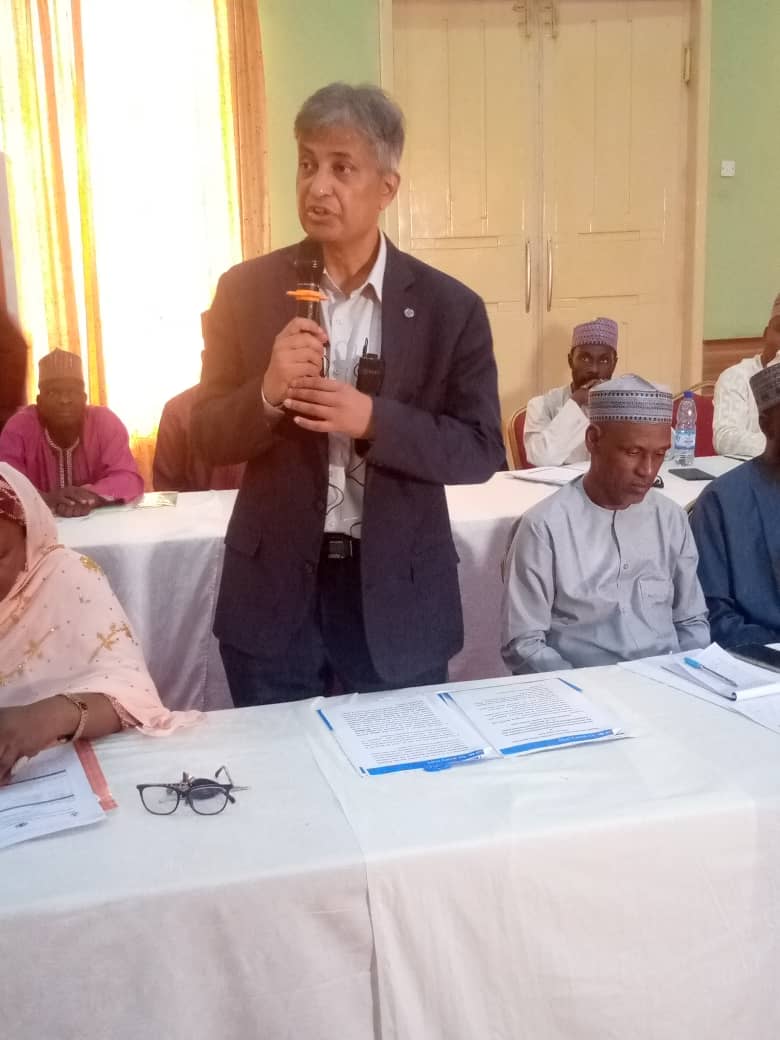
In a concerning revelation, UNICEF has highlighted the stark reality of Nigeria’s education crisis, with a staggering 18.3 million children out of school. Dr. Tushar Rane, Chief of Field Office UNICEF Bauchi, emphasized the severity of the situation, noting that 10.2 million primary school-age children and an additional 8.1 million at the junior secondary level are affected.
This dire situation places Nigeria at the forefront of the global challenge of out-of-school children, with only 63 percent of primary school-age children regularly attending school. The transition to junior secondary education is also hindered, with only 84 percent effectively moving on after completing primary school, according to the Multiple Indicator Cluster Survey 2021.
Various factors contribute to this crisis, including inadequate policies, limited budget allocation, teacher and classroom shortages, poor infrastructure, cultural norms, health and safety concerns, and child labor. Dr. Rane particularly highlighted the increasing dropout rates, especially in the northern region.
UNICEF expressed deep concern over the low learning achievement and high rates of out-of-school children, particularly in the North East and North West regions. To combat these challenges, UNICEF has collaborated with the Universal Basic Education Commission (UBEC) to develop the National Framework of Action to Reduce the Number of Out-of-School Children in Nigeria, along with the Retention, Transition, and Completion Model, aimed at ensuring inclusive and equitable quality education for all.
In response to this crisis, Prof. Aishatu Maigari, Gombe State Commissioner for Education, emphasized the urgency of concerted efforts from all stakeholders. With 750 thousand out-of-school children in Gombe State alone, out of a population of 4 million, she stressed the need for collaborative action to address this alarming menace. The state government is actively engaging with development partners such as UNICEF to devise strategies to reduce the number of out-of-school children in Gombe State.
By Our Correspondent
Dadin Kowa Area Office Pledges Improved Academic Standards, Better Learning Environment
The Upper Benue Staff School in Dadin Kowa has recorded 59 new pupil enrolments since resuming academic activities in September, in a development that signals growing interest in the institution among parents in the host community and neighbouring areas.
The development was announced by the Head Teacher of the Primary Section during a review meeting convened by the Dadin Kowa Area Office of the Upper Benue River Basin Development Authority (UBRBDA) to assess the school’s progress and discuss strategies for improving academic standards and infrastructure.
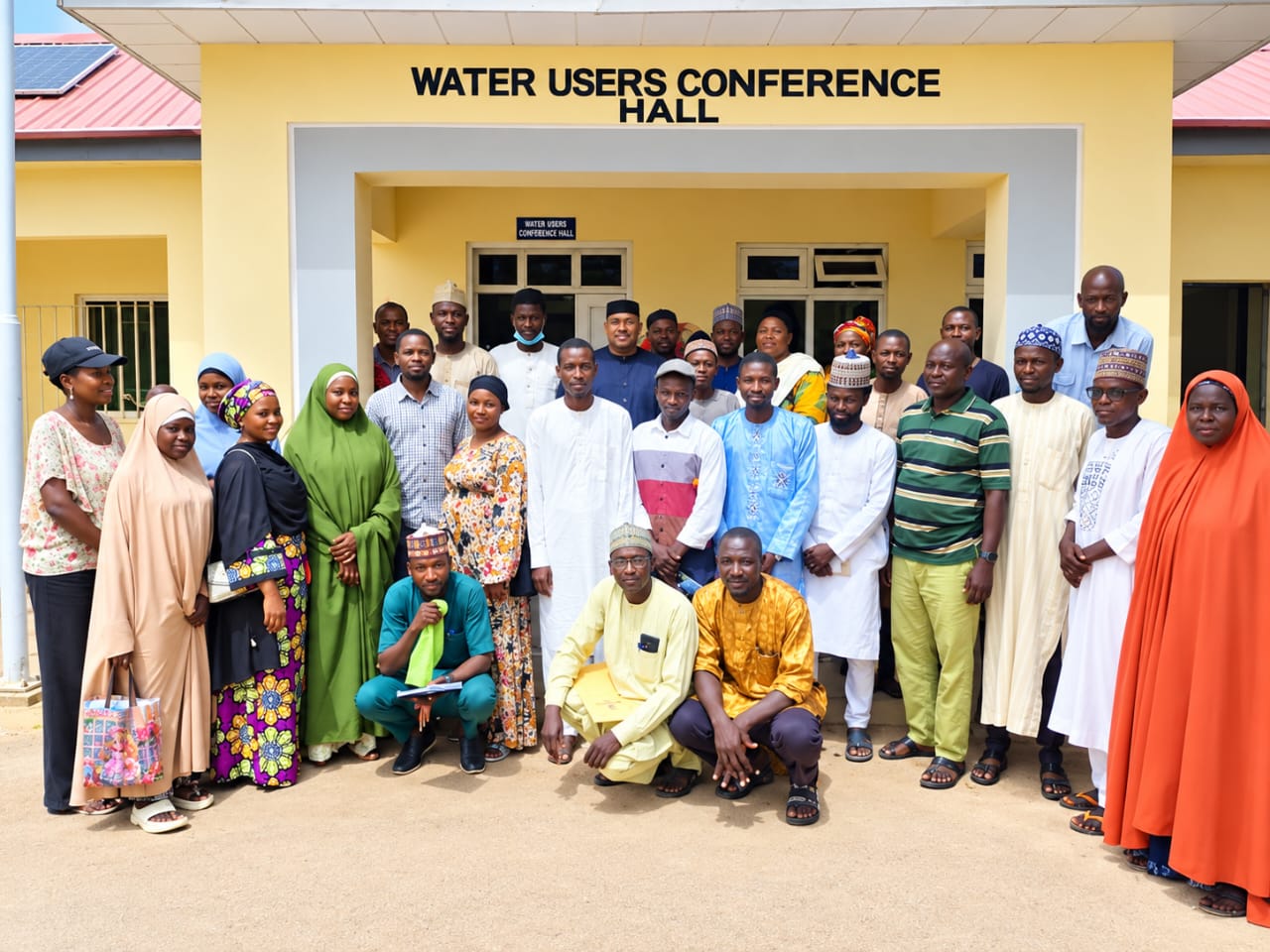
The meeting, held on Thursday, October 8, 2026, brought together the Area Manager, members of the School Management Committee and management staff of the Area Office to evaluate achievements recorded since the school’s resumption and chart a sustainable path for its development.
The Area Manager reaffirmed the office’s commitment to improving teaching and learning standards, providing a conducive educational environment and supporting the school’s continued growth.
He also disclosed that further collaborative initiatives with the Federal College of Horticulture, Dadin Kowa, were being planned to strengthen institutional cooperation and enhance the school’s development.
Earlier, the Chairman of the School Management Committee informed the meeting that the committee had visited the Federal College of Horticulture on Tuesday, October 6, 2026, where the Provost formally handed over two blocks of classrooms to the Dadin Kowa Area Office through the committee.
According to the Chairman, the Provost encouraged the immediate occupation and utilisation of the facilities to ensure uninterrupted academic activities.
The Provost also pledged the college’s continued support for the development of the staff school, reinforcing the institution’s commitment to educational advancement within the community.
The provision of the additional classroom blocks is expected to improve the school’s learning environment, provide more space for pupils and support the delivery of quality education.
Speaking on the school’s growing enrolment, the Head Teacher of the Primary Section disclosed that 59 pupils had registered since the school resumed in September.
She noted that registration was still ongoing, with several parents from neighbouring communities expressing interest in enrolling their children.
The increasing enrolment is seen as an encouraging development for the school as it continues to strengthen its presence within the host community.
The relocation of the school, alongside the allocation of additional classroom facilities, is also expected to provide a more suitable learning environment and improve access to educational opportunities for children in Dadin Kowa and surrounding communities.
Management staff of the Dadin Kowa Area Office welcomed the progress recorded so far, describing the developments as encouraging.
They emphasised the need for sustained collaboration among stakeholders to strengthen academic delivery, improve teaching standards and ensure that the school’s recent achievements translate into lasting educational benefits.
The meeting also underscored the importance of continued institutional support, effective school management and adequate learning facilities in promoting academic excellence.
Participants expressed optimism that the ongoing efforts would position the Upper Benue Staff School for further growth and enable it to meet the educational needs of pupils within the community.
The meeting concluded with a group photograph of participants.
The press release was issued by the Planning, Monitoring and Public Relations Unit of the Dadin Kowa Area Office of the Upper Benue River Basin Development Authority (UBRBDA).
Education
Tsangaya Education Initiative Inaugurates Gombe Leadership, Unveils Plan to Transform Almajirai Education
By Our Correspondent
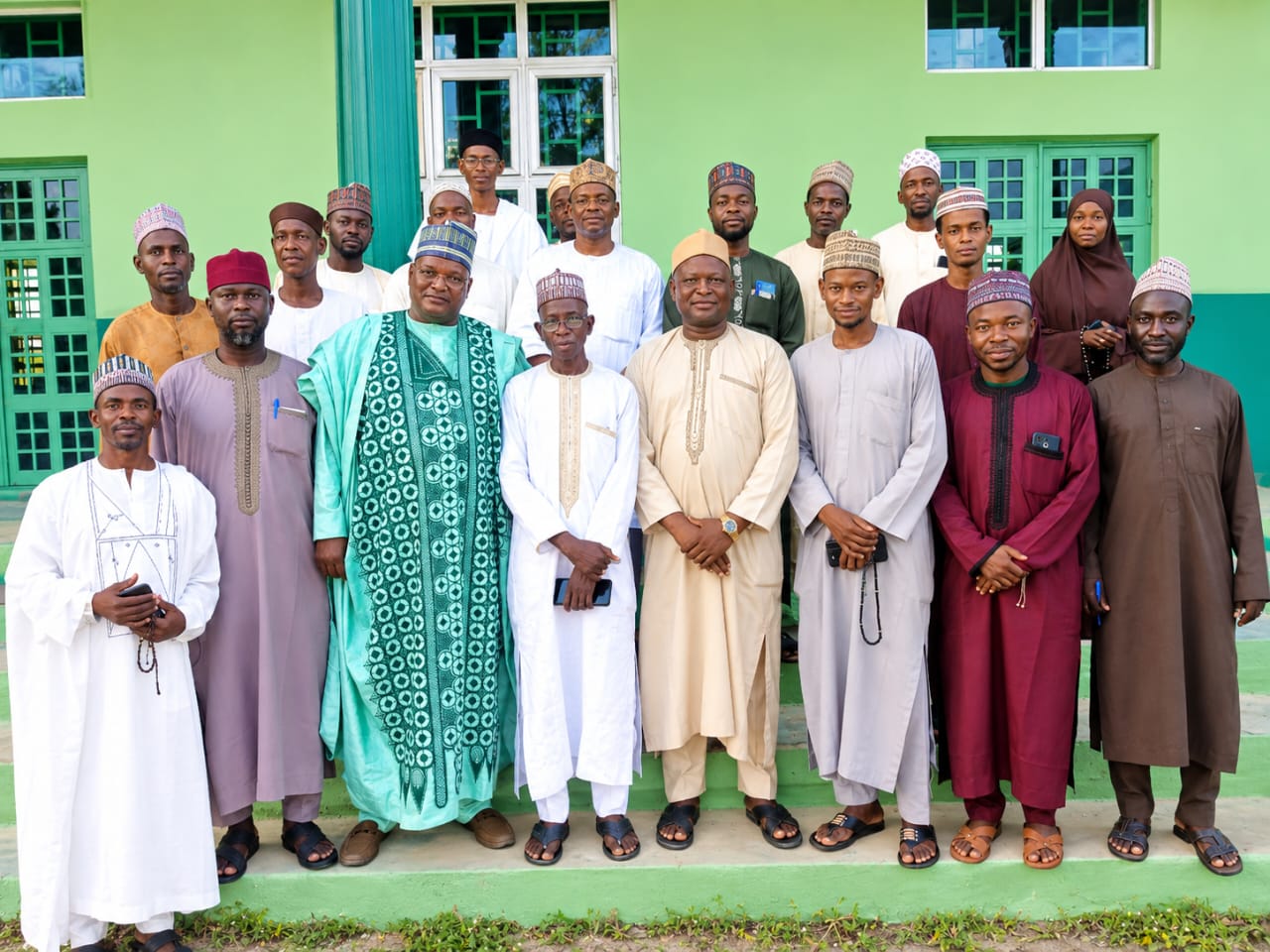
The Tsangaya Education Integration Initiatives, Gombe State Chapter, has inaugurated its newly appointed state leadership, with a renewed commitment to improving the welfare, education and future prospects of Almajirai and Tsangaya teachers across the state.
The inaugural meeting, held in Gombe, brought together stakeholders within the Tsangaya education system, conventional education professionals, senior public servants and members of the organisation’s leadership.
The National Secretary-General of the initiative, Alhaji Dr Salihu Abdullahi Muhammad, attended the meeting as the Special Guest, while the Chairman of the North-East States, Goni Habibu Haruna, represented the National Chairman, Goni Jamilu Salihu.
The meeting was chaired by the newly appointed Gombe State Chairman, Goni Musa Mohammed Checheniya, alongside the State Secretary, Malam Muslihu Aminu Pindiga.
Speaking on the composition of the new leadership, the organisation said experienced Tsangaya teachers, professionals in conventional education and senior public servants were carefully selected to provide effective leadership based on experience, knowledge and merit.
The initiative said the broad-based leadership structure was designed to bring together relevant expertise and strengthen efforts aimed at addressing challenges confronting Tsangaya education and its stakeholders.
Also in attendance was Comrade Ibrahim H. Kanku, Deputy National Coordinator for Security, alongside other members of the Gombe State leadership and management team.
Deliberations at the meeting focused on practical strategies for bringing meaningful improvement and positive transformation to the lives of Almajirai and Tsangaya teachers.
Participants also discussed ways of strengthening Tsangaya education, improving the learning environment and creating opportunities that would contribute to a better and more sustainable future for Almajirai and teachers within the Tsangaya system.
The organisation reiterated its commitment to promoting the integration and development of Tsangaya education, while working with relevant stakeholders to address issues affecting the system.
The Gombe State Chapter said the inauguration marks the beginning of a new phase in its efforts to contribute to the development of Tsangaya education and improve the welfare and educational prospects of Almajirai.
The Tsangaya Education Integration Initiatives has adopted the theme: “Improving the Future of Almajirai and Tsangaya Teachers.”
Announcer: PRO 11, Malam Kabiru Shehu Doma.

By Mukhtar Sani Saulawa,Gombe
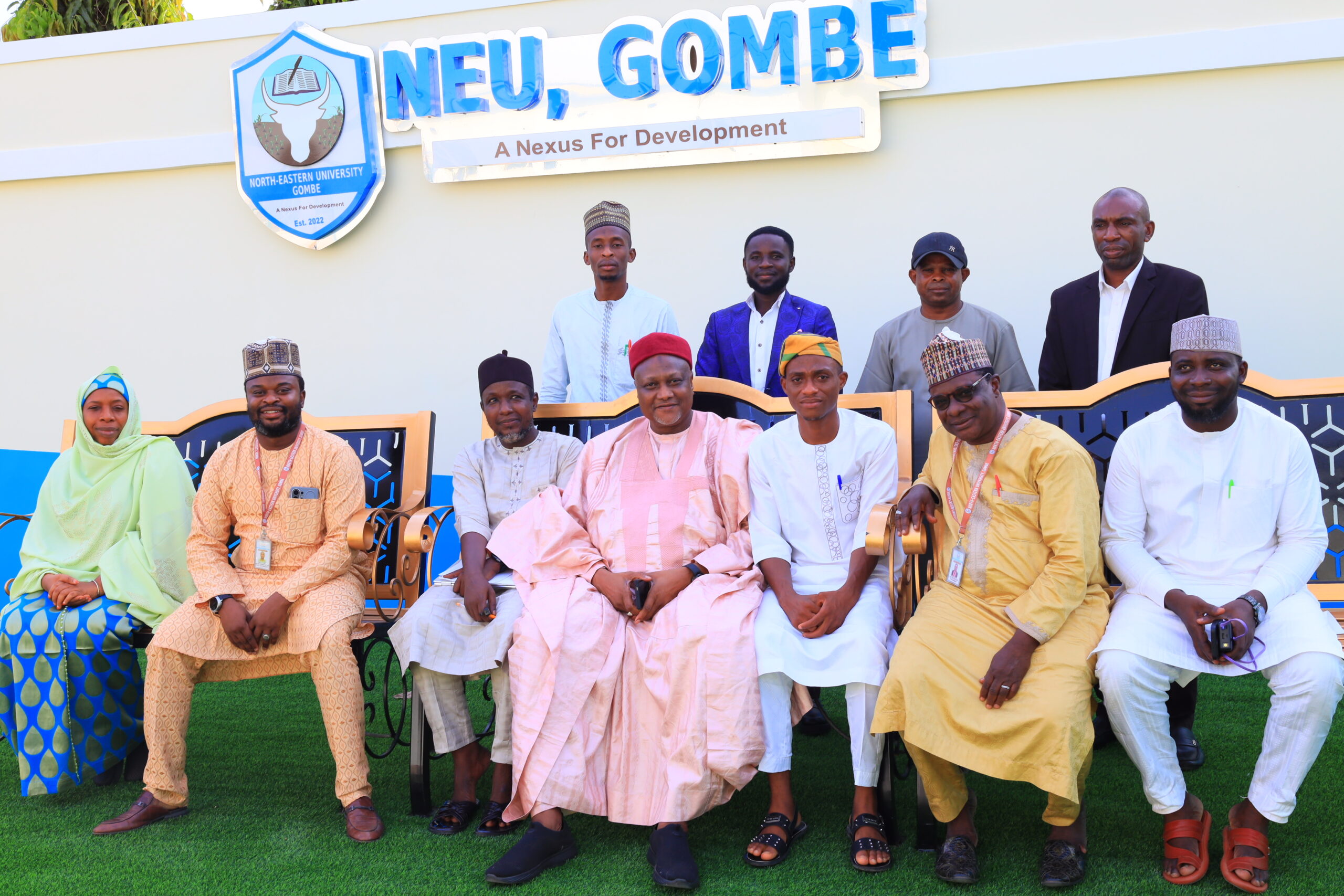
The National Universities Commission (NUC) has assessed the Student Industrial Work Experience Scheme (SIWES) facilities and operations at North-Eastern University, Gombe, with the Commission verifying the university’s human, material and institutional readiness for effective implementation of the programme.
The assessment was conducted by officials from the NUC Directorate of Accreditation and Directorate of Skills Development and Entrepreneurship to evaluate the university’s SIWES structures, staffing, facilities, ICT infrastructure, student placement systems and financial administration.
Presenting the outcome of the exercise, the NUC Team Leader, Mr. Bashir Ibrahim Isa, said the team verified evidence of Senate approval, relevant NUC documentation, adequate staffing and facilities, as well as operational systems for student placement and monitoring.
Isa said the university’s SIWES Directorate has seven staff members and is headed by a qualified Professor of Plant Science. He also disclosed that the team verified evidence of partnerships with 242 industries for SIWES student placement, while students are monitored and supervised during their industrial attachments.
“We have gone round, we have checked all the available files, and here is the brief of our exercise. We are here to assess the human, material, and institutional readiness for the effectiveness of the SIWES Directorate.”
Responding to the assessment, the Founder and Pro-Chancellor of North-Eastern University, Dr. Sani Jauro, expressed satisfaction with the findings, saying they confirmed that the university was progressing in line with its vision.
“I have always said that this is a 21st-century university. A digital university. A university that does not compromise on anything. We are not a university that has come to make money. We are a university that has come to make a name, to make a difference in our society, to fertilize our environment, and to give an example of what a university should be so that others will copy from us. We are a flagship university.”
Jauro described SIWES as central to the university’s goal of producing professionally competent graduates who can connect classroom knowledge with practical experience. He also assured the NUC that the university would address the observations raised during the assessment and continue to comply with regulatory requirements.
«“The Student Industrial Work Experience Scheme puts the students on the right trajectory of becoming the professionals that they should be after graduation, so that they can bring what they have learned in theory to practice and they can even stand on their feet.”»
The Pro-Chancellor said the university’s commitment to practical education extends beyond SIWES to entrepreneurship, skills acquisition, research and community development, noting that the institution provides practical training and support to people in surrounding communities.
He further highlighted the university’s Centre for African Medicinal Plants Research, where researchers work with traditional medicine practitioners to scientifically investigate medicinal plants and their potential applications.
The assessment, according to the university, provides an opportunity to consolidate existing structures while addressing the areas identified by the Commission as North-Eastern University continues to strengthen its academic, practical training and industry-engagement systems.
With verified partnerships involving 242 industries, the university says its SIWES programme remains an important part of its commitment to producing graduates equipped with practical skills and professional experience.
-

 Politics3 years ago
Former Gombe State APC Promoters Forum Chairman Attacked Following Political Commentary
-

 Appointment2 years ago
Gombe State Indigene, Appointed New Vice Chancellor (ATBU)
-

 Leadership2 years ago
Breaking: African Union Appoints Pantami as Co-Chair of the 4th Industrial Revolution Policy Council
-

 Death2 years ago
Prominent Nigerian Islamic Scholar, Sheikh Sa’idu Hassan Jingir, Passes Away
-
 Health2 years ago
Gombe State Organizes Onboarding Workshop for Private Healthcare Facilities
-
 Water3 years ago
Gombe Government Mobilizes Stakeholders to Combat Illegal Water Connections
-

 Politics2 years ago
Gombe State Inaugurates Human Capital Development Council
-

 Politics3 years ago
Gombe State Launches Presidential Palliative Program (PPP) to Aid Small Businesses