
Features
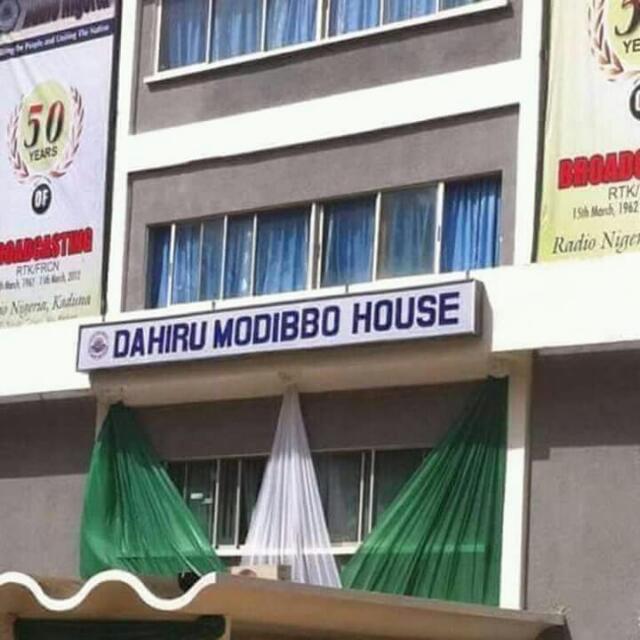
Concerns As FRCN Kaduna Goes Off Air Over Power Disconnection

By our correspondent
Listeners of the FRCN kaduna national station have expressed concern over the power disconnection of the station which render it off air.
Some of the listeners who spoke to our Reporter in ikara, Zaria, kaduna and makarfi expressed disappointment that for almost two months the station has been completely off air.
One of those who spoke, Musa Ibrahim Kofar doka said he is missing the station and called for concerted effort to address the situation.
He said the station has been playing a vital role in not only propagating government policies and program but also in enlightening and educating the citizenry.
Another concerned listener, Hassan Tashar yari calls on federal government to take decisive step aimed at rehabilitating the moribund station .
According to him the situation the station found itself in, is unfortunate, stressing that this is the first time the station has been off air for a long period in about ten years.
While expressing sadness over the incident Mal Hassan Tashar yari called on the Arewa consultative forum and other Northern elders to intervene to save the station from total collapse.
Recalled that about two months ago kaduna electric distribution company has disconnected the station from national grid in both Jaji and kaduna thereby jeopardizing the station operations .
They also appeals to the federal government through the ministry of information and national orientation to take step to address the lingering problems of power supply for the attainment of set objectives for the development of the country.
Features
The Fourth Estate in Transition: Journalism, Accountability, and the Quest for Good Governance in Nigeria


By Mukhtar Sani Saulawa
When people talk about democracy, they usually talk about elections. We focus heavily on the day we cast our votes. But experts and political analysts know that a true democracy is about much more than just voting day. The real test of a democracy is what happens between elections. This is where the media comes in.
In developing democracies—countries that are still building strong democratic traditions institutions like the courts or the parliament might not always be strong enough to check the power of the government. In these situations, journalists play a vital role. They are the bridge between the government and the people.
This article looks at how journalism helps keep leaders accountable. It explores the idea of the media as a “watchdog” a protector that barks when things go wrong. We will look at how this works in practice, using Nigeria as our main example. Nigeria has one of the most active media industries in Africa, making it a perfect case study to understand how reporting, investigations, and public trust work together to promote good governance.
What is Political Accountability?
To understand the media’s role, we first need to understand “political accountability.” In simple terms, accountability means that leaders must explain their actions to the people who voted for them. If leaders make bad decisions or steal public money, the people should have a way to find out and punish them (usually by voting them out or demanding legal action).
There are two main ways to keep leaders in check. The first is through official government bodies, like the parliament or the courts. The second is through the public. This is where the media steps in. The media provides the information that the public needs to judge their leaders.
This is often called the “watchdog” role. Just as a watchdog protects a house by barking at intruders, the media protects the country by alerting citizens when power is being abused. In many developing nations, where opposition parties might be weak, independent newspapers and TV stations are often the only ones asking the government tough questions.
But reporting the news isn’t enough. The media also acts as an “agenda-setter.” This means that by choosing which stories to cover whether it is a lack of good roads, problems in schools, or missing money journalists tell the government and the public what is important. They shine a light on dark corners, forcing leaders to pay attention.
How Journalism Changes Governance
Journalism influences the government in three main ways:
1. Investigative Reporting (Digging Deeper) Standard news reporting often just repeats what the government says. Investigative journalism is different. It digs deep to find the truth that officials might want to hide. When journalists expose a big scandal, it forces the government to react. Even if the corrupt official isn’t fired immediately, the report damages their reputation. It shows the public that their leaders are not being honest. This pressure is essential for stopping corruption.
2. Civic Education (Making Things Clear) Government business can be complicated. Budgets, economic policies, and trade agreements are often written in difficult language. A key role of the media is to translate this “big grammar” into simple language that everyday people can understand. When citizens understand how a policy affects their pockets or their health, they can participate better in democracy. This is especially important in countries where there is a gap between the educated elite and the general population.
3. A Feedback Loop (Listening to the People) Communication shouldn’t be a one-way street. The government talks to the people, but the people must also talk to the government. Through radio call-in shows, opinion columns, and social media comments, the media lets the government know what the people are angry or happy about. This is crucial for good governance. If a government doesn’t know what its citizens are suffering from, it cannot fix the problems.
The Nigerian Example
Nigeria is a great example of these dynamics in action. The Nigerian press has a long, proud history. It fought against colonial rule and stood up to military dictatorships in the past. Today, under a democratic system, the Nigerian media continues to be a strong voice.
Elections and Voting In recent years, the Nigerian media has changed how elections work. It is no longer just about reporting the results. Media houses now organize debates where candidates must explain their plans for the country. They also use technology to “fact-check” claims. If a politician lies about their achievements, journalists can quickly prove it is false. This makes it harder for politicians to fool the voters.
Fighting Corruption Nigerian journalists have done impressive work in exposing corruption. Using the Freedom of Information (FOI) Act a law that allows citizens to ask for government records journalists have uncovered scandals in oil subsidies, budget padding (where politicians add extra money to the budget for themselves), and procurement fraud. While it can take a long time for the courts to punish these crimes, the media ensures that the crimes are not forgotten. They keep the records alive.
The Digital Revolution The internet has changed everything. In the past, you needed a lot of money to own a newspaper or TV station. Now, online newspapers and blogs have opened up the space. This makes it very hard for any government to hide information. If a newspaper refuses to print a story, a blogger will publish it. Citizens with smartphones can record videos of police brutality or bad roads and share them instantly. This “citizen journalism” has put a lot of power back into the hands of ordinary people.
The Challenges: It Is Not Easy
While the media does important work, it faces serious problems in developing democracies like Nigeria. We must be realistic about these challenges.
1. Who Owns the Media? One big problem is ownership. Running a TV station or newspaper is expensive. Often, the people who have the money to own these media houses are politicians or their business friends. This creates a conflict of interest. A journalist might want to write a story about a corrupt minister, but if that minister is friends with the owner of the newspaper, the story might be killed. This limits what the public gets to hear.
2. Money and Ethics Journalists in many developing countries are not paid well. Sometimes, they are owed salaries for months. This poverty makes them vulnerable to bribes. There is a practice called “brown envelope journalism,” where reporters accept money to write favorable stories or to kill negative ones. When journalists take money from the people they are supposed to be watching, they lose their ability to be effective watchdogs.
3. Safety and Harassment Journalism can be a dangerous job. Even in a democracy, journalists can be harassed by security forces. They might face threats, get arrested on loose charges, or be intimidated when investigating sensitive security issues. Laws meant to stop cybercrime are sometimes used to arrest journalists who criticize the government online.
4. The Problem of Fake News The internet is a double-edged sword. While it spreads truth, it also spreads lies. “Fake news” is a major problem. False stories can spread rapidly on social media, causing panic or increasing tension between ethnic and religious groups. When there is too much fake news, people stop trusting all news, including the real reporting from professional journalists. This makes it easy for corrupt leaders to dismiss real scandals by claiming they are just “fake news.”
Why This Matters
For a country to have good governance—where leaders are honest, money is spent well, and citizens are safe it needs a strong, free press. The Nigerian experience shows us that a vibrant media is not just a luxury; it is a necessity.
Journalism provides the eyes and ears that citizens need to monitor their government. It ensures that power is not used in darkness. However, for the media to succeed, it needs support. Media organizations need to find ways to make money without relying on dirty politicians. Journalists need to stick to high ethical standards so the public can trust them. And the government must respect the right of journalists to do their jobs without fear.
In the end, political accountability is a relationship between the leaders and the led. The journalist is the connector in that relationship. By telling the truth, keeping things simple, and refusing to stay silent, the media helps build a better, stronger democracy for everyone.
By Our Correspondent
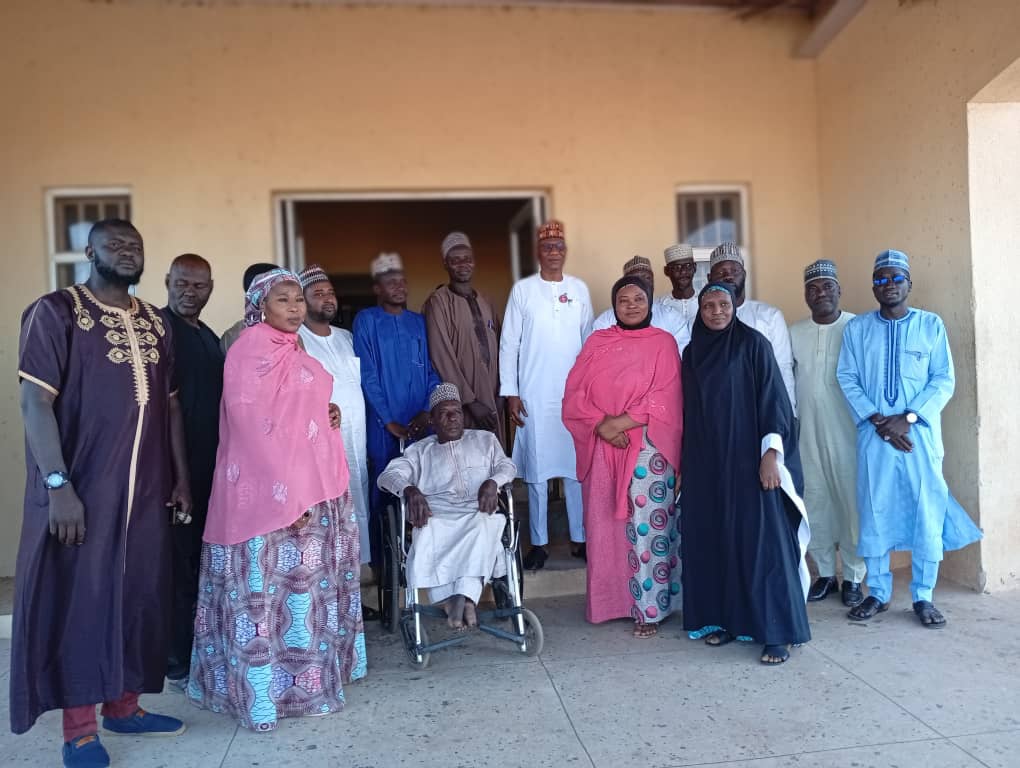
The Director-General of the Federal Radio Corporation of Nigeria (FRCN), Dr. Muhammad Bulama, has reaffirmed his commitment to prioritizing staff welfare and improving working conditions within the organization. He made this pledge during his official visit to Radio Nigeria Jewel FM in Gombe State.
Addressing staff and management of the station, Dr. Bulama emphasized the critical role of radio broadcasting in national development and assured workers that their welfare would remain central to his administration’s policies.
“We recognize the sacrifices you make to keep the public informed, educated, and entertained. As an institution, we are committed to ensuring that your welfare and working environment reflect the value you bring to the organization and the nation,” he stated.
In his response, the General Manager of Jewel FM, Dr. Garba Ubale Danbatta, expressed gratitude to the Director-General for the visit. He assured the DG of the station’s determination to uphold professionalism and deliver quality broadcasting services to the people of Gombe State and beyond.
“We are deeply honored by your visit, sir. It motivates us to continue striving for excellence and to keep lifting the standard of this station,” Dr. Danbatta remarked.
The Director-General also took a tour of the station’s facilities, inspecting key departments and interacting with staff members. He commended the efforts of the management and staff in maintaining the station’s operations despite challenges and promised to address areas requiring urgent attention.
Dr. Bulama’s visit to Jewel FM is seen as part of his broader effort to strengthen the FRCN network and boost staff morale across its stations nationwide.
By Yakubu Halliru
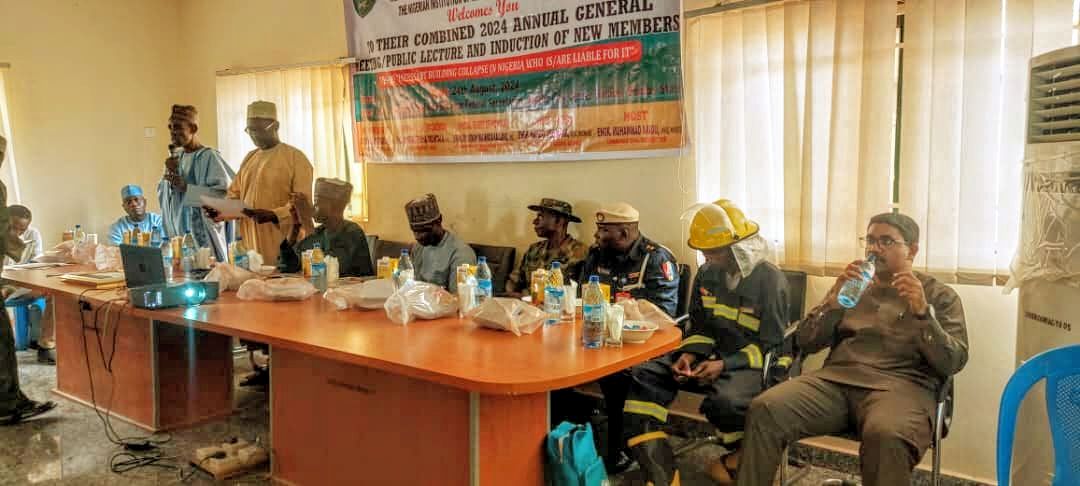
The Gombe State Ministry of Works, Housing, and Transport has reaffirmed its commitment to maintaining building standards and ensuring the longevity of structures across the state. This was highlighted during the annual meeting, induction of new members, and a public lecture organized by the Gombe State Chapter of the Nigerian Society of Engineers (NSE). The event focused on the pressing issue of incessant building collapses in Nigeria.
Speaking at the event, the State Commissioner for Works, Housing, and Transport, Engineer Usman Maijamaa Kallamu, emphasized the ministry’s dedication to enforcing building standards within the legal framework. Represented by Engineer Danladi Mela Kabillis, the commissioner assured that the ministry is working tirelessly to ensure that contractors strictly adhere to established building ethics and standards. He also noted that the state’s Steering Committee on building regulations, led by Governor Muhammad Inuwa Yahaya, remains committed to upholding all relevant rules and regulations.
The event’s keynote speaker, Dr. Magret Aina, the National President of the Nigerian Society of Engineers, called on engineers nationwide to ensure compliance with construction laws to prevent the loss of lives and property. Represented by Engineer Hamman Dikko, Dr. Aina expressed satisfaction with the leadership of the NSE at both the national and state levels. She urged the engineering community in Gombe State to adopt rigorous monitoring and supervision practices for all construction projects to ensure adherence to building standards.
The guest lecturer, Engineer Usman Abubakar from Abubakar Tafawa Balewa University in Bauchi, delivered an insightful lecture on the recurring issue of building collapses in Nigeria. He noted that the frequent collapses, particularly in densely populated areas such as Lagos, Ibadan, Port Harcourt, and Abuja, are largely due to the use of substandard building materials and the rapid pace of construction in these regions.
In his welcome address, the outgoing Chairman of the Gombe State Chapter of the Nigerian Society of Engineers, Engineer Hamzat Abubakar, expressed gratitude to the members for their support during his tenure. He also urged them to extend the same support to the incoming executives.
The event also featured the presentation of awards of excellence to distinguished members of the engineering community. Among the honorees was Engineer Hafsat Sulaiman Jalo from the Federal Polytechnic Kaltungo, who was recognized for her outstanding contributions to the field of engineering.
The lecture and subsequent discussions underscored the critical need for strict adherence to building regulations to prevent future tragedies and ensure the safety and well-being of communities across Nigeria.
-

 Politics2 years ago
Former Gombe State APC Promoters Forum Chairman Attacked Following Political Commentary
-
 Appointment2 years ago
Gombe State Indigene, Appointed New Vice Chancellor (ATBU)
-
 Leadership2 years ago
Breaking: African Union Appoints Pantami as Co-Chair of the 4th Industrial Revolution Policy Council
-
 Death1 year ago
Prominent Nigerian Islamic Scholar, Sheikh Sa’idu Hassan Jingir, Passes Away
-
 Health2 years ago
Gombe State Organizes Onboarding Workshop for Private Healthcare Facilities
-
 Politics2 years ago
Gombe State Inaugurates Human Capital Development Council
-
 Water2 years ago
Gombe Government Mobilizes Stakeholders to Combat Illegal Water Connections
-
 Politics2 years ago
Gombe State Launches Presidential Palliative Program (PPP) to Aid Small Businesses