Appointment
Abdul’aziz Abdul’aziz Touted as Potential Successor to Ngelale as Presidential Spokesperson

By Abubakar Rabilu, Gombe
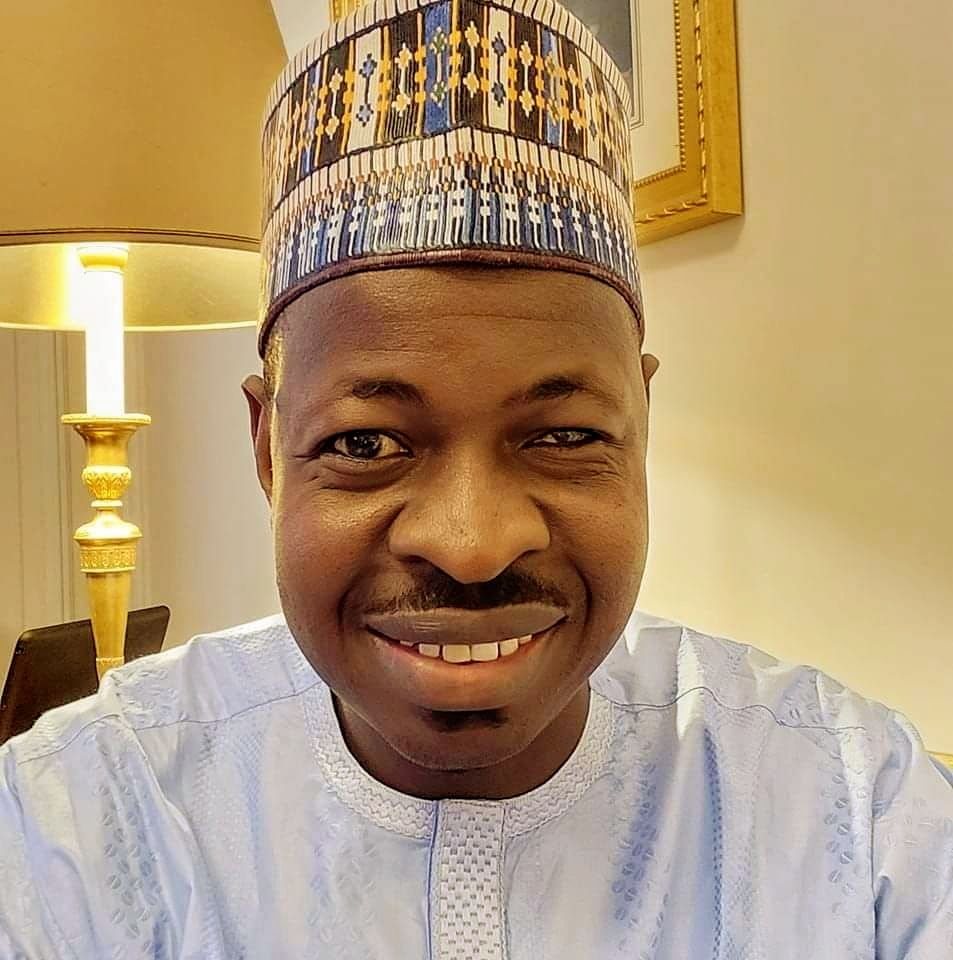
Hon. Abubakar Sadeeq Gidado, a respected traditional leader known as the Bargan Gombe, has called on President Bola Ahmed Tinubu to consider appointing Abdul’aziz Abdul’aziz as the next Presidential Spokesperson, following the resignation of Ajuri Ngelale. Ngelale, who recently stepped down, was instrumental in shaping the communication strategy of Tinubu’s administration.
A Distinguished Media Career
Abdul’aziz Abdul’aziz, widely recognized for his contributions to Nigerian journalism and creative writing, has emerged as a strong candidate for the prestigious role. Born and raised in Kano, Abdul’aziz began his formal career in journalism in 2007 and has since built an impressive portfolio spanning news reporting, editorial roles, and literary contributions.
His work has garnered respect across Nigeria’s media landscape, bolstered by his participation in international journalism and writing workshops, including prestigious programs organized by the British Council and the Farafina Trust, led by renowned author Chimamanda Ngozi Adichie in 2012. These experiences have enriched his writing, enabling him to excel in both factual reporting and creative storytelling.
Recently serving as the Deputy General Editor at *Daily Trust*, one of Nigeria’s most prominent newspapers, Abdul’aziz oversees editorial content, ensuring the paper maintains its high journalistic standards.
Accolades and Recognition
Abdul’aziz has been recognized for his excellence in both journalism and creative writing, receiving multiple awards throughout his career. His contributions extend beyond the newsroom, with several of his poems published in anthologies, showcasing his versatility as a writer.
This combination of journalistic rigor and literary creativity sets him apart from his peers, making him a compelling candidate for the role of Presidential Spokesperson.
Bargan Gombe’s Endorsement
In a public appeal, Bargan Gombe highlighted Abdul’aziz’s extensive experience and deep understanding of Nigeria’s media landscape as key qualifications for the role. The traditional leader emphasized that Abdul’aziz’s ability to balance traditional media with modern communication technologies makes him the ideal candidate to lead the presidency’s communication efforts.
“Abdul’aziz is an outstanding choice for Presidential Spokesperson,” Bargan Gombe stated. “His knowledge of media operations and his experience with both print and digital platforms make him well-suited to handle the complex communication challenges of the presidency.”
A Key Asset for Strategic Communication
If appointed, Abdul’aziz would be tasked with managing the administration’s public messaging, ensuring that Nigerians and the international community receive accurate and timely information about government policies and decisions. His proven ability to articulate complex issues in a clear and relatable manner would be a critical asset in this role.
As digital platforms and social media continue to play a growing role in shaping public opinion, Abdul’aziz’s expertise in both traditional journalism and digital engagement would be vital to maintaining the presidency’s public image.
Bargan Gombe believes that Abdul’aziz’s presence as spokesperson would bring continuity following Ngelale’s resignation while also injecting fresh energy into the administration’s communication strategy.
Upholding Public Trust and Integrity
In a time when public trust in government communications is fragile, Abdul’aziz’s reputation for ethical journalism could help restore credibility to the office of the Presidential Spokesperson. His work has consistently focused on objective reporting and giving voice to marginalized communities, making him a figure capable of maintaining public trust in the Tinubu administration.
“Abdul’aziz’s commitment to truth and transparency will enhance the credibility of the presidency and restore public confidence in government communications,” Bargan Gombe asserted.
A Visionary Choice for the Future
Abdul’aziz Abdul’aziz’s potential appointment could mark a new era for the presidency’s engagement with the Nigerian public. His forward-thinking approach and deep understanding of both traditional and digital media would ensure that the Tinubu administration’s communication efforts remain relevant and effective.
Should he be selected, Abdul’aziz would bring a wealth of experience and a visionary outlook to the role, helping shape the future of presidential communication in Nigeria.

By Our Correspondent
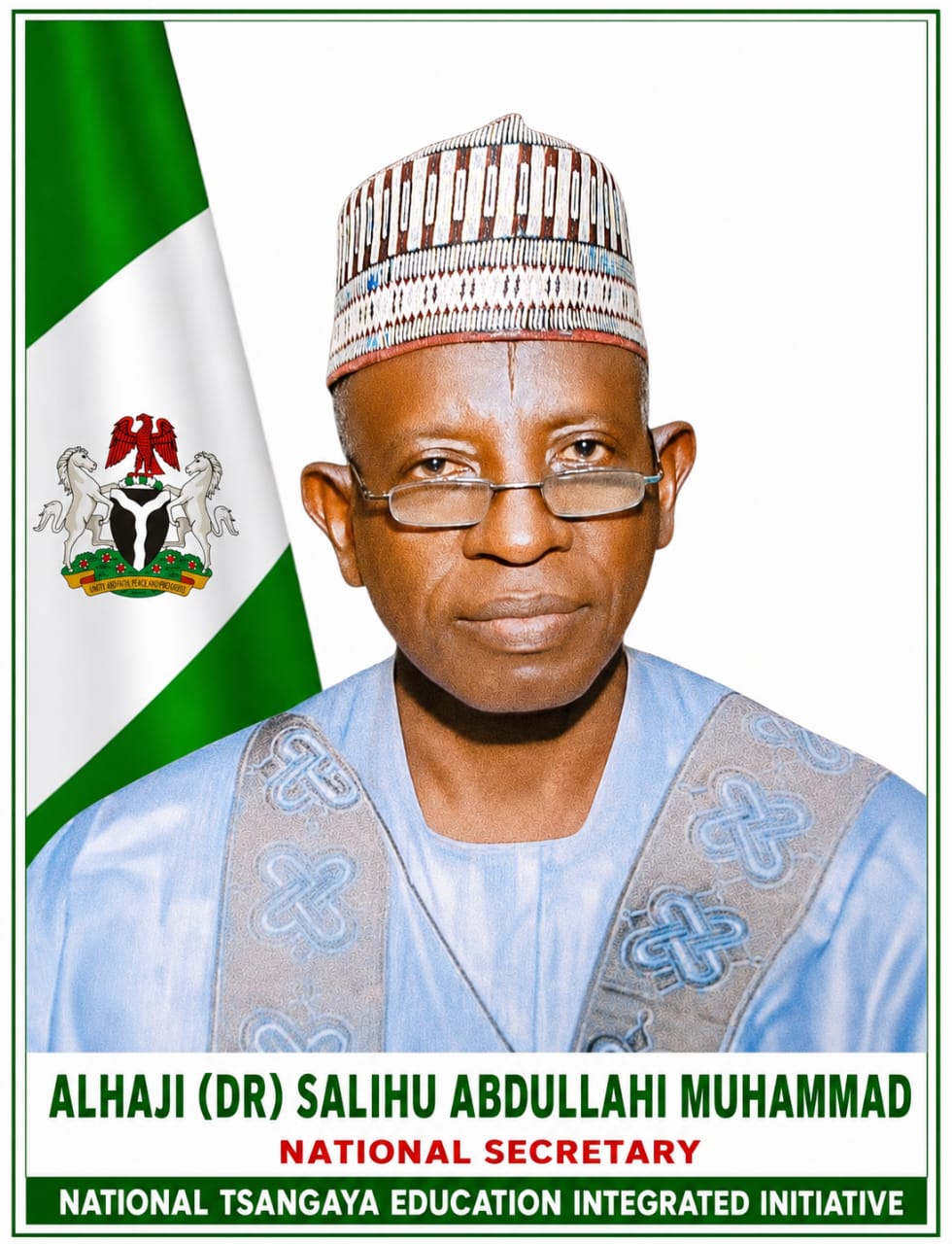
The National Integrated Tsangaya Education Initiatives of Nigeria (NITEIN) has appointed renowned Islamic scholar, Dr. Salihu Abdullahi Muhammad, as its National Secretary, in recognition of his integrity, experience, commitment, and dedication to the advancement of integrated Tsangaya education and community development across Nigeria.
The appointment was conveyed in an official letter dated July 27, 2026, with reference number NITEIN/APPT/001/2026, and signed on behalf of the National Executive Council of the association.
According to the appointment letter, Dr. Salihu’s selection reflects the confidence reposed in his leadership qualities and his long-standing contributions to the promotion of quality Tsangaya education and national development.
As National Secretary, Dr. Salihu Abdullahi Muhammad will be responsible for upholding the constitution, vision, mission, and objectives of the association. He is also expected to perform the duties of his office with honesty, diligence, transparency, and accountability while actively participating in meetings, programmes, and other activities of the organization.
The association further charged the newly appointed National Secretary to foster unity, discipline, teamwork, and mutual understanding among members, as well as carry out any other lawful responsibilities assigned by the National Executive Council.
The appointment takes immediate effect from July 27, 2026, and will remain valid in accordance with the constitution of the association, subject to satisfactory performance and good conduct.
In the letter, the leadership of NITEIN congratulated Dr. Salihu Abdullahi Muhammad on his appointment and prayed that Almighty Allah grants him wisdom, strength, and guidance to faithfully discharge the responsibilities entrusted to him.
The appointment is expected to strengthen the association’s efforts toward improving integrated Tsangaya education, promoting educational reforms, and enhancing community development initiatives across Nigeria.
With Dr. Salihu Abdullahi Muhammad assuming the position of National Secretary, stakeholders have expressed optimism that his wealth of experience and commitment to education will contribute significantly to achieving the association’s vision of building a more effective and inclusive Tsangaya education system in the country.

By Our Correspondent
President Bola Ahmed Tinubu has approved the appointment of Assistant Inspector-General of Police, Tunji Disu, as the Acting Inspector-General of Police, following the resignation of the former IGP, Kayode Egbetokun.
Egbetokun stepped down from office citing pressing family considerations, bringing an early end to his four-year tenure which began in June 2023 and was expected to run until 2027.
In a statement issued by the Special Adviser to the President on Information and Strategy, Bayo Onanuga, the President confirmed that he received Egbetokun’s resignation earlier today and commended him for what he described as decades of outstanding and dedicated service to the Nigeria Police Force and the nation at large.
President Tinubu praised the outgoing police chief for his professionalism and significant contributions toward strengthening Nigeria’s internal security architecture during his time in office.
Responding swiftly to the development amid prevailing security challenges across the country, the President announced the appointment of AIG Tunji Disu as Acting Inspector-General of Police with immediate effect.
The President expressed strong confidence in Disu’s competence, experience, and leadership capacity to steer the Nigeria Police Force through what he described as a critical period in the nation’s security landscape. He noted that Disu’s appointment is aimed at ensuring stability, continuity, and focused leadership within the Force.
In line with the provisions of the Police Act 2020, President Tinubu is expected to convene a meeting of the Nigeria Police Council to consider Disu’s appointment as the substantive Inspector-General of Police. Following the Council’s recommendation, his name will be forwarded to the Senate for confirmation in accordance with constitutional requirements.
President Tinubu reaffirmed his administration’s unwavering commitment to strengthening national security institutions, enhancing professionalism within the police, and ensuring accountability in law enforcement operations across the country.
The appointment marks a significant shift in the leadership of the Nigeria Police Force at a time when the government continues to prioritize security reforms and improved coordination among security agencies nationwide.
By Our Correspondent
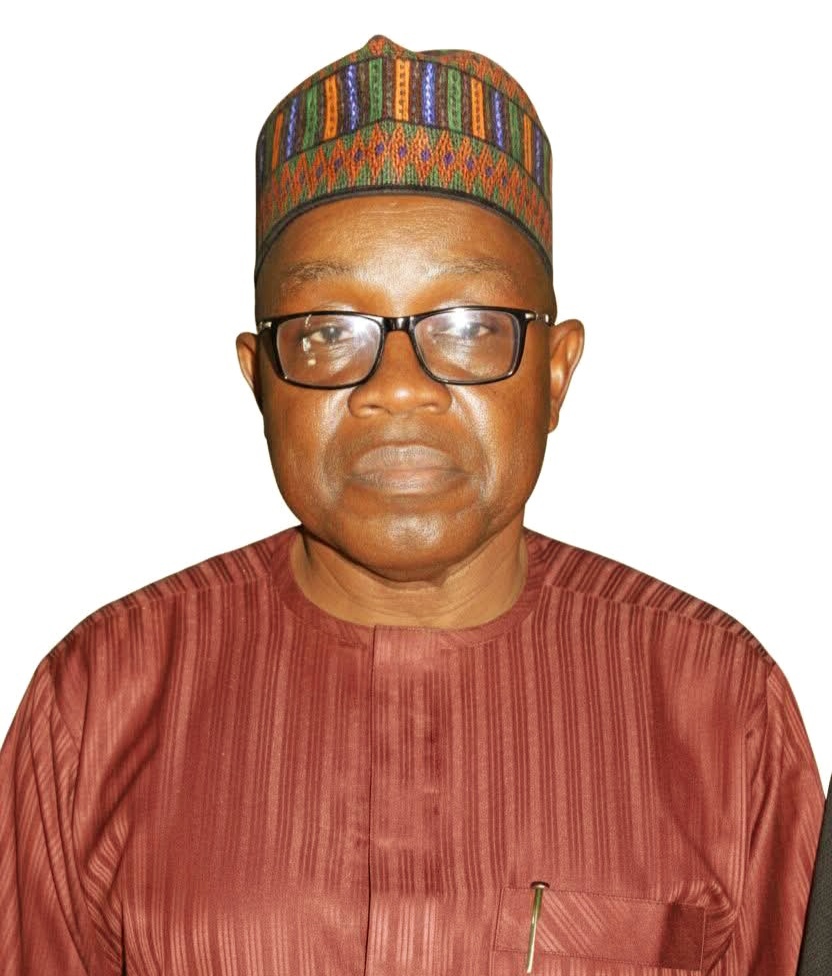
The Governing Council of the Federal University of Kashere (FUK), Gombe State, has approved the appointment of Professor Mohammed Inuwa Ja’afar as the fourth substantive Vice-Chancellor of the institution.
The decision was taken at the 10th Special Meeting of the Council held on Tuesday, February 3, 2026.
Professor Ja’afar succeeds the immediate past Vice-Chancellor, Professor Umaru A. Pate, who was described by the Council as an erudite scholar and an accomplished academic administrator.
Announcing the appointment, the Pro-Chancellor and Chairman of the Governing Council, Professor Williams Olushola Aderounmu, said Professor Ja’afar emerged as the best candidate after scoring the highest marks among the 20 candidates interviewed for the position.
In a statement signed by the University’s Chief Information Officer, Janet Ibrahim Ezekiel, Professor Ja’afar was described as a seasoned academic from the Department of Microbiology, Faculty of Life Sciences, Modibbo Adama University, Yola.
The statement noted that his appointment is expected to further strengthen the University’s academic growth, research development, and administrative efficiency.
The Governing Council congratulated Professor Mohammed Inuwa Ja’afar on his well-deserved appointment and expressed confidence in his ability to provide purposeful leadership, wishing him a successful and impactful tenure.
Professor Ja’afar is an indigene of Jalingo Local Government Area of Taraba State. An accomplished academic and administrator, he previously served at Modibbo Adama University, Yola, where he rose to the position of Deputy Vice-Chancellor.
Following the expiration of the tenure of the substantive Vice-Chancellor at Modibbo Adama University, Professor Ja’afar was appointed Acting Vice-Chancellor by the institution’s Governing Council to ensure continuity and stability in its administration. He successfully steered the affairs of the university during the transitional period.
His appointment as the substantive Vice-Chancellor of the Federal University of Kashere marks a new chapter in the leadership of the institution and signals renewed commitment to academic excellence and institutional development.
-

 Politics3 years ago
Former Gombe State APC Promoters Forum Chairman Attacked Following Political Commentary
-

 Appointment2 years ago
Gombe State Indigene, Appointed New Vice Chancellor (ATBU)
-

 Leadership2 years ago
Breaking: African Union Appoints Pantami as Co-Chair of the 4th Industrial Revolution Policy Council
-
 Death2 years ago
Prominent Nigerian Islamic Scholar, Sheikh Sa’idu Hassan Jingir, Passes Away
-
 Health2 years ago
Gombe State Organizes Onboarding Workshop for Private Healthcare Facilities
-
 Water2 years ago
Gombe Government Mobilizes Stakeholders to Combat Illegal Water Connections
-

 Politics2 years ago
Gombe State Inaugurates Human Capital Development Council
-

 Politics2 years ago
Gombe State Launches Presidential Palliative Program (PPP) to Aid Small Businesses