
Health
Gombe Rallies Media to Drive Awareness Ahead of Measles-Rubella Vaccination Campaign


By Editor Daily Fact
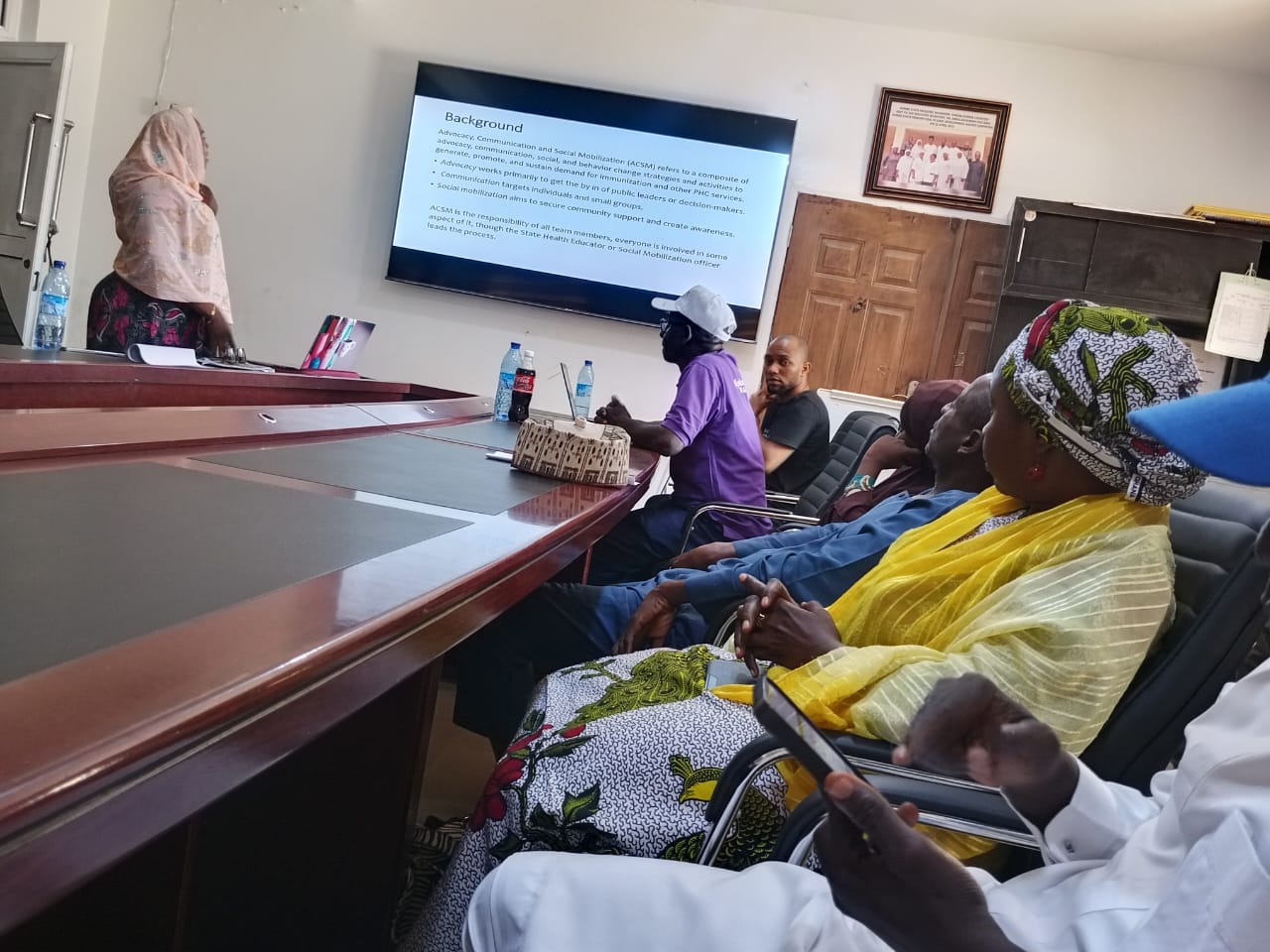
As part of efforts to protect children against life-threatening diseases, the Gombe State Primary Health Care Development Agency (GSPHCDA) has engaged journalists and digital ambassadors in a one-day sensitization workshop ahead of the nationwide Measles-Rubella (MR) vaccination campaign slated to commence on October 18, 2025.
Speaking during the session, UNICEF representative, Mr. John Markez, underscored the vital role of the media in shaping public perception and combating misinformation surrounding vaccines. He assured that UNICEF would continue to support the state in its mission to safeguard the health of women and children.
Highlighting the scope of the exercise, the State Immunization Officer, Malam Abdulkarim Muhammad Aliyu, revealed that the campaign aims to reach over one million children between the ages of nine months and fourteen years across the state. He urged parents and caregivers to ensure their children are presented for vaccination, stressing that the campaign is a critical step in preventing outbreaks.
Malam Abdulkarim further disclosed that following the campaign, the Measles-Rubella vaccine would become part of the state’s routine immunization schedule at 9 and 15 months of age, to ensure sustained protection.
On her part, the Director of Community and Family Health, Dr. Maryam Abubakar, reassured residents that the vaccines are safe, free of charge, and will be accessible at all government health facilities as well as temporary vaccination posts established in communities across the state.
In his remarks, the State Health Educator, Malam Muhammad Sallau Malami, explained that measles is a highly contagious and potentially deadly disease transmitted through coughing, sneezing, or even talking. Rubella, also known as German Measles, is a contagious viral infection that often presents as a milder form of measles.
He further clarified that the campaign will cover all children aged 9 months to 14 years, after which the MR vaccine will be incorporated into routine immunization at 9 and 15 months.
The media engagement is expected to strengthen collaboration between health authorities and information managers, ensuring that accurate and timely messages reach households across Gombe State ahead of the campaign.
By Ahmad Abubakar Usman
The Gombe State Primary Health Care Development Agency, in collaboration with the United Nations Children’s Fund (UNICEF), has called on media practitioners, parents and community leaders to intensify efforts towards eradicating polio through increased awareness and participation in the forthcoming November vaccination exercise.
The agency made the call during a media advocacy and awareness campaign organised ahead of the vaccination exercise scheduled to take place from November 7 to 10, 2026, across Gombe Local Government Area.
The programme, held at the agency’s office in Gombe, brought together health officials, journalists and other stakeholders to develop strategies for ensuring that every eligible child receives the polio vaccine.
Speaking at the event, Mrs Lami Tikari said trained health workers would conduct house-to-house visits to administer the vaccine to children from birth to five years of age.
She explained that the campaign was designed to strengthen public awareness about the importance of polio immunisation while equipping health workers with the necessary knowledge and skills to conduct the exercise effectively and professionally.
Mrs Tikari emphasised the importance of the media in achieving the desired success, describing journalists as critical partners in mobilising communities and shaping public attitudes towards immunisation.
She urged media organisations to utilise radio, television, newspapers and social media platforms to educate parents and caregivers on the dangers of polio, which can cause permanent paralysis and lifelong disability in children.
According to her, although there is no cure for polio, the disease is preventable through timely and repeated vaccination.
She particularly encouraged journalists to broadcast jingles, conduct interactive discussions and organise public enlightenment programmes in Hausa and other local languages to ensure that the message reaches rural communities and people with limited formal education.
The UNICEF-supported campaign also highlighted the need for the media to address rumours, misconceptions and misinformation surrounding polio vaccination, which sometimes discourage parents from allowing their children to receive the vaccine.
Mrs Tikari maintained that accurate, consistent and responsible reporting would strengthen public confidence, promote acceptance of immunisation and encourage households to cooperate with vaccination teams.
Parents and caregivers were consequently urged to ensure that children aged five years and below are available at home during the vaccination exercise and to provide the necessary cooperation to health workers.
Traditional rulers, religious leaders and other influential community members were also called upon to mobilise their followers and support the campaign, given their significant influence in promoting positive health practices at the grassroots.
The organisers reiterated that the polio vaccine is safe, effective and provided free of charge, stressing that every eligible child must receive the vaccine during each round of the exercise, irrespective of previous doses.
They expressed optimism that sustained collaboration among the health agency, UNICEF, media practitioners, community leaders and parents would increase vaccination coverage and strengthen efforts towards protecting children in Gombe State from the threat of polio.
The November exercise is expected to contribute to the broader national and global efforts to eradicate polio and secure a healthier future for children.
By Our Health Reporter
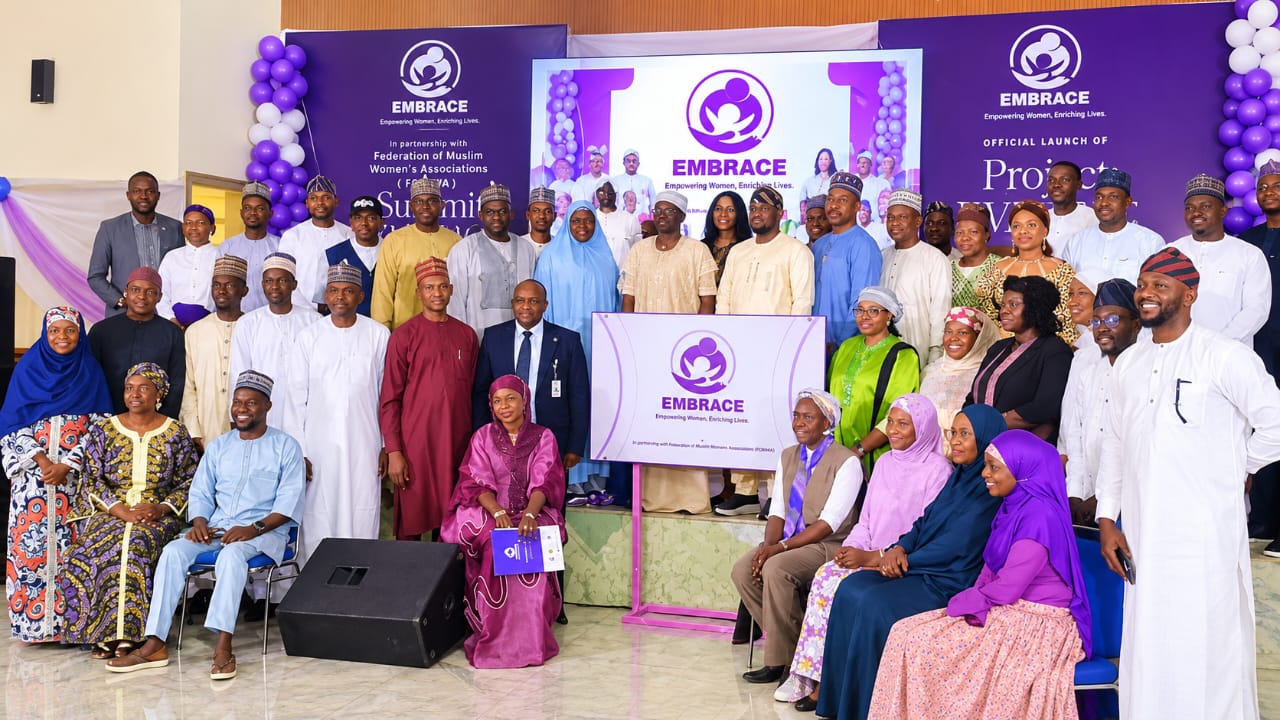
The Gombe State Government has launched a five-year healthcare intervention, Project EMBRACE, aimed at reducing maternal and newborn mortality through improved access to quality emergency obstetric and newborn care services.
The initiative, supported by Bloomberg Philanthropies, is being implemented in collaboration with Technical Advice Connect (TAConnect) and the African Centre of Excellence for Population Health and Policy (ACEPHAP).
Speaking during the official launch held at Travel View Hotel, Gombe, the Technical Director of TAConnect, Dr Layi Jayola, said the project would initially cover 18 health facilities across Balanga, Yamaltu-Deba and Dukku Local Government Areas.
He explained that the facilities comprise 15 primary healthcare centres and three secondary health facilities, adding that the intervention would focus on upgrading healthcare infrastructure, providing essential medical equipment, training healthcare workers and strengthening emergency referral systems.
According to him, the initial implementation phase is designed to demonstrate the project’s impact before its expansion to other local government areas across the state.
Dr Jayola stressed that improving the quality and accessibility of emergency healthcare services would significantly contribute to addressing challenges associated with maternal and newborn deaths.
In his remarks, the Gombe State Commissioner for Health, Professor Danladi Adamu Bojude, represented by the Permanent Secretary of the Ministry, Engineer Yan Biyu Idris Buba, reaffirmed the state government’s commitment to strengthening the healthcare system and improving maternal and child health outcomes.
He welcomed the intervention, describing it as an important addition to ongoing government efforts to improve healthcare delivery, while calling for sustained collaboration among stakeholders to ensure the project’s long-term success.
The Permanent Secretary also commended Bloomberg Philanthropies, TAConnect and ACEPHAP for partnering with the state government to improve access to quality healthcare services, particularly for women and newborns.
Earlier, the founder of the initiative, Dr Olayinka Badmus, commended the political leadership of Gombe State for its support and commitment towards improving the health sector.
She emphasised the importance of strong government ownership and collaboration with development partners in achieving sustainable improvements in maternal and newborn healthcare.
Also speaking, Dr Ochi Ibe highlighted the importance of the intervention, noting that coordinated efforts among government institutions, healthcare providers, development partners and local communities were essential to improving health outcomes.
Representatives of other partner organisations, including the Federal Ministry of Health, the Clinton Health Access Initiative (CHAI) and Bloomberg Philanthropies, also delivered goodwill messages, emphasising the need for sustained partnerships and collective action to address maternal and newborn health challenges.
They reaffirmed the importance of strengthening healthcare systems, improving service delivery and ensuring that women and newborns have access to timely and quality medical attention.
Highlights of the ceremony included cultural performances by the Gombe State Cultural Troupe and the formal unveiling of Project EMBRACE, signalling the commencement of the initiative.
The project is expected to strengthen maternal and newborn healthcare services in Gombe State through improved health infrastructure, capacity building for healthcare workers, access to essential medical equipment and more effective emergency referral systems.
Through the partnership, stakeholders hope to support the state’s efforts towards reducing preventable maternal and newborn deaths and building a more responsive healthcare system.

By Jamilu Abubakar
The European Union-funded Strengthening Access to Reproductive and Adolescent Health (EU-SARAH) project is intensifying efforts to improve adolescent and reproductive health services in Adamawa State through preventive healthcare, community engagement and strengthened health systems.
Implemented by the Adamawa State Government with support from UNICEF and UNFPA, the initiative is aimed at reducing maternal, neonatal and child mortality while increasing access to reproductive health information and services.
Health Officer, UNICEF Bauchi Field Office, Mr. Oluseyi Olosunde, said adolescents and young people remain a major focus of the intervention due to the growing concern over risky behaviours and their long-term effects on health, productivity and national development.
He explained that the project targets reaching about 75,000 adolescents and young people annually through various platforms and strategies centred on preventive and promotive healthcare.
According to him, the programme goes beyond treatment by equipping adolescents with knowledge and information on sexual and reproductive health rights to help them make informed decisions and avoid health challenges later in life.
Mr. Olosunde noted that insufficient attention to adolescent reproductive health often leads to conditions that require curative and rehabilitative interventions, stressing that prevention remains the most effective approach.
He added that the initiative is empowering young people through health education and improved access to essential reproductive health services.
On maternal health, Mr. Olosunde said the programme is also supporting pregnant and lactating mothers to reduce maternal and newborn deaths through improved access to quality antenatal care and skilled birth attendance.
He disclosed that about 150,000 pregnant and lactating mothers in Adamawa State have benefited from the intervention, while more women are increasingly accessing healthcare services.
To strengthen service delivery, UNICEF has trained over 1,385 frontline health workers and supported the engagement of 336 nurses and midwives to improve antenatal and reproductive healthcare services, especially in underserved communities.
The project has also established community support structures including Mama2Mama groups and Fathers for Good Health to encourage community participation and improve health-seeking behaviour.
Stakeholders say the intervention is contributing to stronger healthcare delivery and creating better opportunities for adolescents and families across Adamawa State.
-

 Politics3 years ago
Former Gombe State APC Promoters Forum Chairman Attacked Following Political Commentary
-

 Leadership2 years ago
Breaking: African Union Appoints Pantami as Co-Chair of the 4th Industrial Revolution Policy Council
-

 Appointment2 years ago
Gombe State Indigene, Appointed New Vice Chancellor (ATBU)
-

 Death2 years ago
Prominent Nigerian Islamic Scholar, Sheikh Sa’idu Hassan Jingir, Passes Away
-
 Health2 years ago
Gombe State Organizes Onboarding Workshop for Private Healthcare Facilities
-
 Water3 years ago
Gombe Government Mobilizes Stakeholders to Combat Illegal Water Connections
-

 Politics2 years ago
Gombe State Inaugurates Human Capital Development Council
-

 Politics3 years ago
Gombe State Launches Presidential Palliative Program (PPP) to Aid Small Businesses